
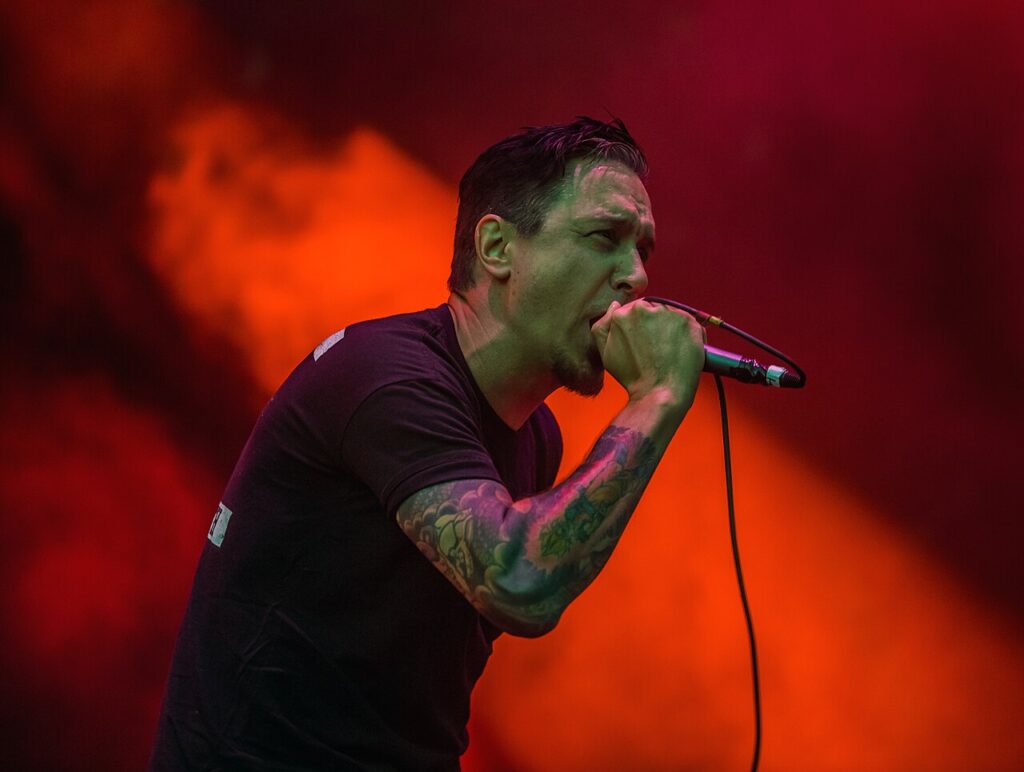
Sick of It All’s Lou Koller Has Died at 59
It’s one of those headlines that lands hard, even if you knew the fight had been serious. Lou Koller, the unmistakable voice of Sick of It All, has died at 59.
For a lot of hardcore folks, that sentence doesn’t read like music news. It feels personal. Loud rooms, sweaty floors, scuffed sneakers, that bark of a voice cutting through everything — Lou was part of the furniture of New York hardcore, but in the best way. Permanent. Or at least, that’s how it felt.
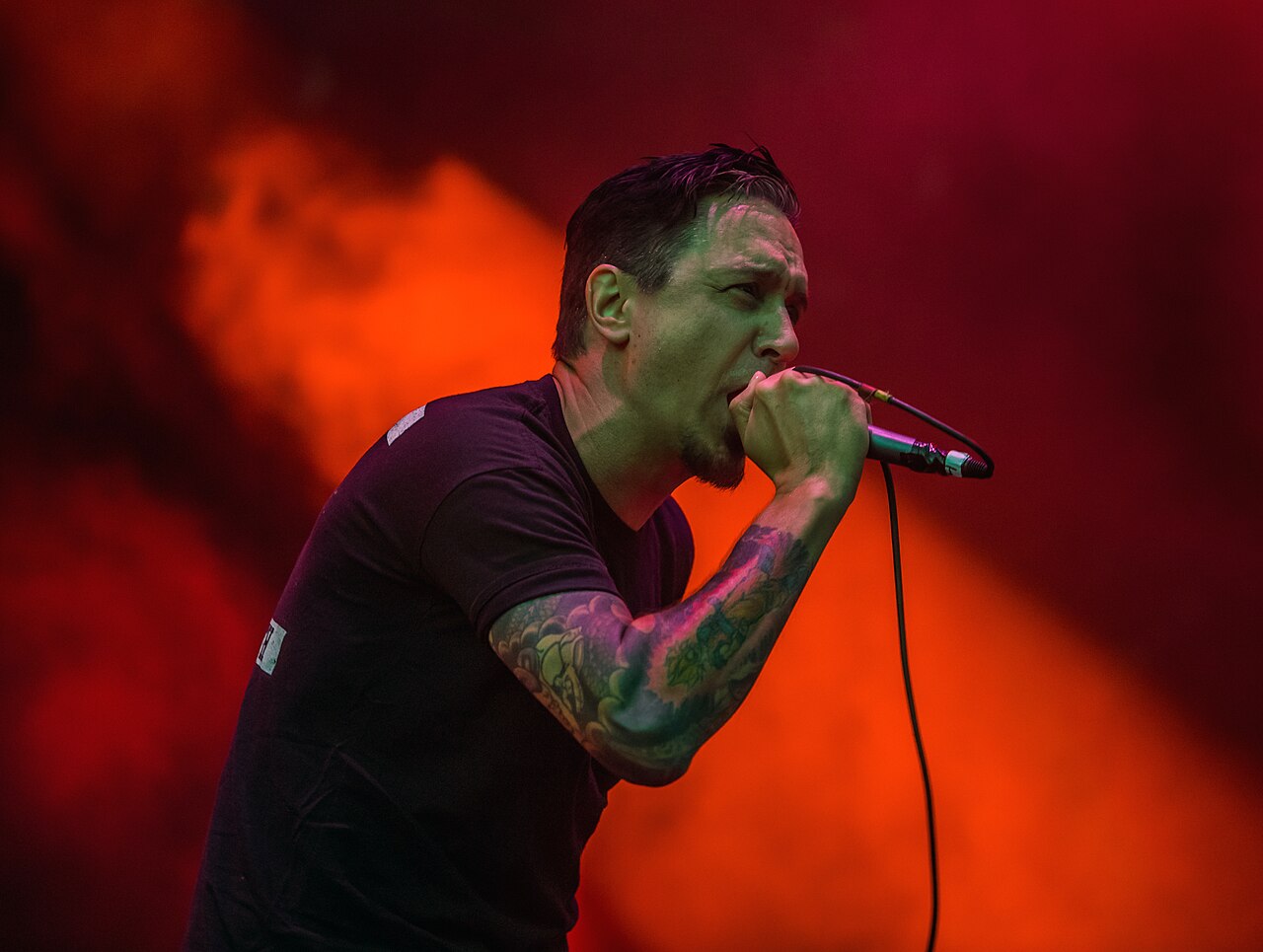
The news followed months of concern from fans after Lou Koller shared that doctors found a tumor in his esophagus that extended into his stomach. He had stepped away from touring for treatment. Fans knew things were bad. Still, this hurts.
The band confirmed it in their social media announcement of Lou Koller’s death. Their words were blunt and crushing: “It’s with unbelievable sadness…”
And honestly, there wasn’t a more fitting audience to address than the “worldwide hardcore family.” That phrase wasn’t PR fluff. It matched the scene Lou helped build.
What happened
Reports tied Lou’s death to his battle with adenocarcinoma cancer. One widely circulated reference states that Lou Koller, the frontman for Sick of It All, had died after battling adenocarcinoma cancer. That aligns with the health update he made public in 2024.
The band also thanked supporters who donated during his illness. In their statement about Lou’s medical fund and final rest, they wrote, “His battle is over now and he can finally rest.”
Short sentence, huge weight.
Why Lou Koller mattered so much
If you came to this story from outside hardcore, here’s the plain version: Lou wasn’t just a singer in a respected band. He was one of the defining voices of a whole strain of American underground music.
According to a biographical source on Lou Koller as an American punk singer and founding member of Sick of It All[1]%20was%20an%20American%20punk%20rock%20singer%20and%20founding%20member%20of%20the%20New%20York%20City%20hardcore%20band%20Sick%20of%20It%20All.[2]%20He%20was%20previously%20a%20member%20of%20Blood%20from%20the%20Soul.%20Koller%20and%20his%20brother%20Pete%20have%20been%20described%20as%20some%20of%20the%20most%20influential%20figures%20in%20New%20York%20City%20hardcore.[3]), he and his brother Pete were long seen as major figures in New York City hardcore. That checks out. Ask enough old heads and younger bands, and you’ll hear the same thing in different wording.
Which brings up something I probably should have mentioned earlier—hardcore influence rarely shows up cleanly in charts. It shows up in packed basements, road-worn merch, and singers half a generation later borrowing your cadence without even noticing.
That was Lou.
A quick look at the man and the band
He came from Queens. Specifically, Lou Koller was born and raised in Queens in a middle-class family with his brothers, including future bandmate Pete. Early listening included Deep Purple and Rainbow before heavier music took over.
There’s even a small, very human detail in his backstory: he and Pete attended Francis Lewis High School, and Lou worked in a theater for sound engineering credits. I like details like that. They make legends feel real again.
There’s also a bare Early life reference circulating in source collections, though the fuller biographical notes above are more useful than that stub by itself.

The legacy in one table
Not everyone wants a long scroll. Fair enough, mates. Here’s the snapshot.
| Entity / Period | Price | Location | Highlight features | Rating |
|---|---|---|---|---|
| Lou Koller | N/A | Queens, New York | Frontman, defining hardcore voice, energetic live delivery | 9.7/10 |
| Sick of It All formation era | N/A | Queens, New York | Formed with Pete Koller and Armand Majidi in 1986 | 9.5/10 |
| Blood, Sweat and No Tears (1989) | Varies by format | Global release | Debut that helped establish their identity | 9.2/10 |
| Touring years | Ticketed shows | Worldwide | Constant touring, strong scene connection, loyal audience | 9.6/10 |
| Wake the Sleeping Dragon! (2018) | Varies by format | Global release | Late-career album proving the band still had fire | 8.8/10 |
A small note on that table. Ratings here reflect cultural impact, not commercial sales. Different thing entirely.
Sick of It All’s rise — and the honest caveat
Back in 1986, Lou and Pete Koller formed Sick of It All with drummer Armand Majidi in Queens. Their debut arrived in 1989. Years of relentless touring turned them into one of the most visible New York hardcore bands anywhere.
Now, a balanced point. Sick of It All were hugely influential, but they weren’t a mainstream pop-level act. Their power came from consistency, live reputation, and scene loyalty. Not radio saturation. Also, some listeners felt later releases didn’t hit with the same shock as the early classics. I wouldn’t call that a flaw exactly. More the normal arc of a long-running hardcore band.
Still, they kept showing up. That counts.
What his bandmates said
The emotional center of this story may be the band’s tribute. In their remembrance of Koller’s camaraderie, commitment, and enthusiasm, they called him a “beloved friend” and “an iconic frontman.”
That tracks with what fans often say. A longtime listener I spoke with years ago after a club show — Mike from Jersey, still wearing a torn hoodie — put it this way: “Lou never acted above the room. He looked like he was in it with us.” I wrote that line down because it stuck.
It still does.
The man behind the snarl
Hardcore singers often get flattened into one trait. Angry. Intense. Always on. But the stories about Lou usually include humor. Sarcasm. Warmth, oddly enough. That mix matters.
Actually, wait. Not oddly. It makes perfect sense.
The best hardcore frontmen aren’t just loud. They create belonging. They make a room of strangers feel like they’re on the same side for 45 minutes.
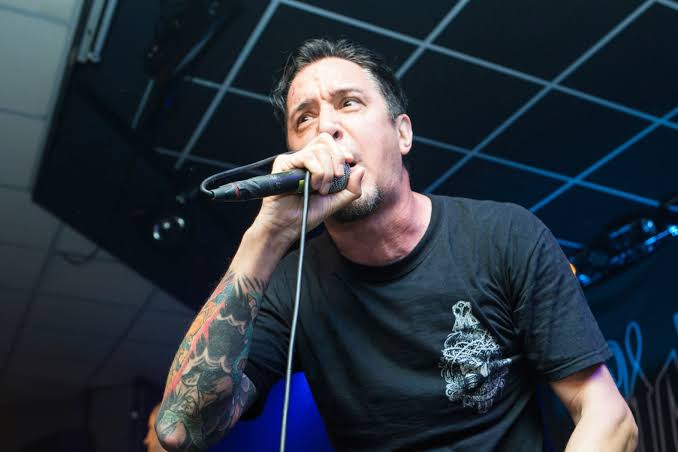
A loss bigger than one band
If you’re scanning music sites, you may also see roundup sections like Trending Stories. This one shouldn’t be reduced to that kind of traffic item, though. Lou Koller’s death closes a chapter in American hardcore history.
And yeah, I know that sounds big. It is big.
He helped build a band that lasted nearly four decades. He helped define New York hardcore for listeners far outside New York. He left behind records, memories, bruised shins from stage dives, and one of those voices you identify in seconds.
That’s a legacy. Messy, loud, durable.
For the fans, the loss is immediate. For the genre, the loss is structural. Different scale, same ache.
