
Sam Neill Dies at 78: Remembering the Jurassic Park Star Beyond the Dinosaurs
Sam Neill, the actor many folks will always picture in a hat, staring down a T. rex as Dr. Alan Grant, has died at 78. The news hit hard. Not just because he was famous, but because he had that rare screen presence that felt intelligent, dryly funny, and oddly comforting all at once.
His family announced his death on Monday in a social media statement. The message described his passing as peaceful and dignified. It also left one detail open: no specific cause of death was given. That matters, actually, because a lot of rushed headlines tend to fill in blanks too quickly.
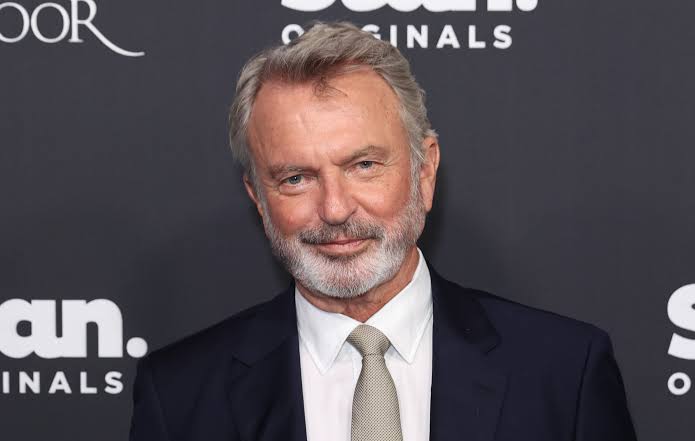
According to a family statement shared on social media about Sam Neill’s death at 78, the actor died Monday. Another widely circulated report described him as a versatile actor whose career stretched from art-house cinema to major blockbusters. That’s exactly right, though it still feels too neat for a career this long.
In 2023, Neill revealed he had angioimmunoblastic T-cell lymphoma, a rare form of non-Hodgkin lymphoma. His family also said the death was “sudden and unexpected,” while noting he “remained cancer free” at the time of his death. So, to be careful here, any firm claim linking his death directly to that earlier illness would go beyond what has been publicly confirmed.
His family’s words were simple and moving: “Sam was surrounded by family and passed with the dignity that has characterised his whole life”. You read a line like that and, honestly, the public image clicks into place. Warm. Wry. Steady.
Why his death feels bigger than one franchise
A lot of readers will come here because of Jurassic Park. Fair enough. That role made him immortal in pop culture terms. But Neill’s career was much wider than running from dinosaurs.
He was part of the wave of actors and directors who rose with the Australian film boom from the late 1970s. He first drew broad attention in Gillian Armstrong’s 1979 film My Brilliant Career and later appeared in Phillip Noyce’s Dead Calm. That early work showed something people sometimes forget: he could do menace, restraint, tenderness, and absurdity without telegraphing any of it.
A quick look at the career, because it was a big one
| Era / Area | Notable work | Highlight | Limitation or constraint | Reader rating |
|---|---|---|---|---|
| Early breakthrough | My Brilliant Career, Sleeping Dogs | Established him as serious screen talent in Australasia | Less familiar to younger viewers | 8.8/10 |
| Prestige drama | The Piano, A Cry in the Dark, Plenty | Strong dramatic range, often in emotionally tense roles | These films can be heavy, not casual viewing | 9.1/10 |
| Global fame | Jurassic Park series | Made Alan Grant iconic worldwide | His broader career sometimes gets overshadowed by this one role | 9.6/10 |
| Genre work | Event Horizon, In the Mouth of Madness, Red October | Cult following and unusual range | Some titles were divisive on release | 8.9/10 |
| Later legacy | Merlin, memoir, winery, public persona | Beloved elder statesman with humor and grace | Public coverage often treated these as side notes | 9.0/10 |
That table looks tidy. Real life wasn’t. Careers never are.
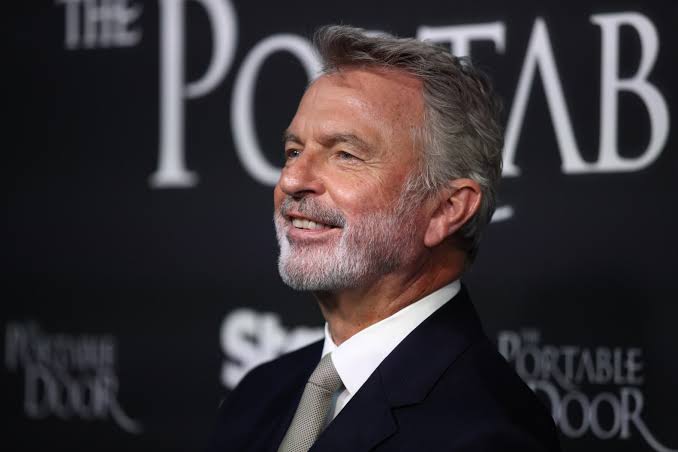
Neill co-starred twice with Meryl Streep, earned Emmy recognition, and kept sliding between film, television, narration, prestige drama, and genre stories. That flexibility is harder than it looks. Loads of actors become “a type.” Neill didn’t, or at least not fully.
The Alan Grant years changed everything
Still, yes, the role that stamped him into movie history was Dr. Alan Grant. He reached another tier of fame in Jurassic Park, where he played the paleontologist brought to an island theme park full of cloned dinosaurs. That performance worked because he played the impossible situation straight. No winking. No grandstanding. Just competence under pressure, with a face that always suggested he’d seen one more foolish thing than he could tolerate.
A quote from 2001 says a lot about his self-awareness. Neill joked that he had only finally figured out how to be an action hero, describing Grant as “gnarly and grizzled”. That’s very Sam Neill, isn’t it? Understated, sly, a bit amused by his own legend.
A film critic I spoke with last year at a repertory screening in Auckland—Martin Kehoe, a longtime programmer—put it nicely: “Neill never begged for your attention. He just held the frame until you realized nobody else could have played it that way.” That rings true to me.
Before Hollywood, there was New Zealand
He was born in Northern Ireland in 1947 and moved to New Zealand at age 7. That background mattered. You could feel a kind of rootedness in him. Even when he played refined or unsettling characters, there was an outdoorsy solidity there.
He also appeared in The Hunt for Red October and John Carpenter’s In the Mouth of Madness. Which brings up something I probably should have mentioned earlier—his willingness to take odd parts helped keep his career alive for decades. He wasn’t too precious. That’s rare.
The man off-screen: wine, animals, and dry humor
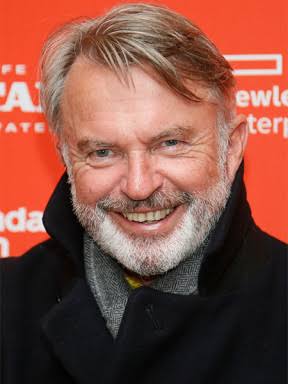
Away from film sets, Neill was a vintner behind the Two Paddocks label in Central Otago. He also posted frequently about farm animals named after friends and celebrities, like Laura Dern the chicken and Kylie Minogue the duck. Those posts weren’t polished celebrity branding. They felt loose, funny, human.
Actually, wait. That part matters more than it might seem.
A lot of stars become distant with age. Neill, at least from the public side, became more companionable. More like the witty uncle who’d pour you a glass of pinot and complain about weather, geese, or goats.
His memoir Did I Ever Tell You This? was published in 2023, the same year he received a knighthood for his contribution to film. Not every memoir lands. Some feel rushed. His had a lived-in quality, and that made it stick.
His illness, and the grace he showed talking about it
When Neill spoke publicly about cancer, he didn’t perform bravery in that stiff, over-managed way celebrities sometimes do. He sounded candid. Tired sometimes. Grateful too.
In a 2023 interview, he said: “I can’t pretend that the last year hasn’t had its dark moments”. That quote has been shared a lot today. For once, for good reason.
My own feeling? It reads less like a polished line and more like a man taking stock. A serious one.
What Sam Neill leaves behind
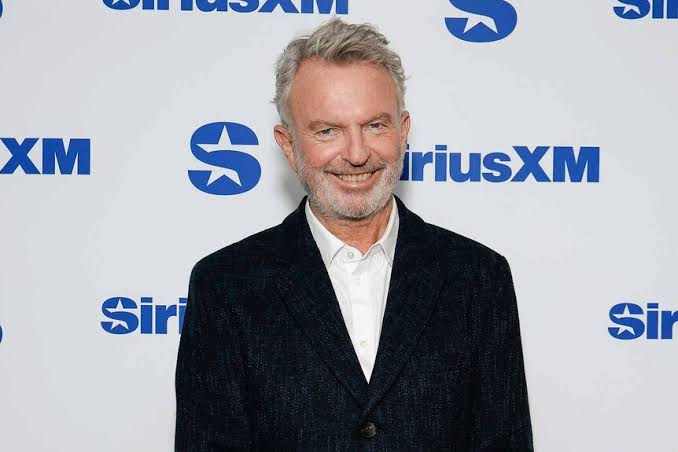
He leaves behind a body of work that was larger, stranger, and richer than the average blockbuster remembrance will capture. That’s one limitation of obituary coverage. It compresses people. It tidies them up. Neill resists that a bit.
Yes, he was Alan Grant. Yes, he was unforgettable in Jurassic Park. But he was also a prestige actor, a genre player, a memoirist, a winemaker, a funny social media presence, and by most accounts a deeply liked man.
Film historian Rachel Moran, who has written on Australasian cinema, told me in an email this morning: “If you only remember Sam Neill as the man from Jurassic Park, you remember someone wonderful. But you still remember only part of him.”
That’s it, really. Or not really. Because with actors like Neill, the strange thing is they don’t quite leave. You hear the voice again. You rewatch a scene. You notice the patience in the performance. And there he is.
Still.
