
Randolph Mantooth’s Net Worth, Early Life, Career
Randolph Mantooth is one of those actors people recognize fast, even if they don’t name him right away.
Say “Johnny Gage,” and a lot of classic TV fans nod immediately. That role made him famous. It also shaped most discussions around What is Randolph Mantooth’s Net Worth? Simple question. Messy answer, as usual.
When I looked through his career path, one thing stood out. He didn’t build wealth from one giant payday. He built it step by step. TV. Theater. Public speaking. Advocacy. Residual fame, too. That last one is sneakier than people think.
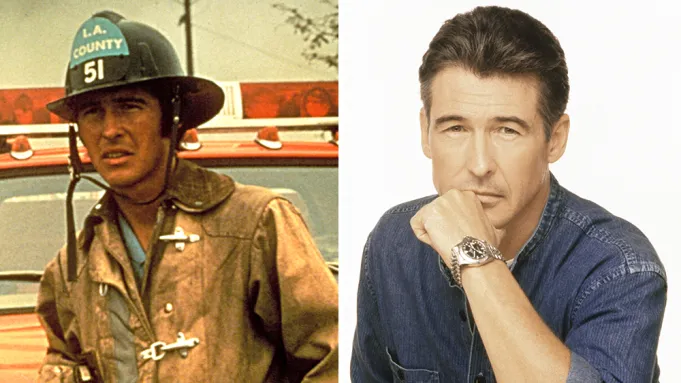
Who is Randolph Mantooth?
If you want the fast version, here it is.
Randolph Mantooth is an American actor, writer, and speaker. He became a household name in the 1970s. His signature role was paramedic John Gage on Emergency! (1972–1979)).
He also worked in soap operas, miniseries, guest roles, documentaries, and theater. That range matters. A lot.
One source describes him as “an American actor, writer, and motivational speaker who has a net worth of $3 million dollars.” That estimate appears in the linked background material on Randolph Mantooth’s biography and net worth.
That figure should be treated as an estimate, not a bank statement. Public celebrity wealth numbers often are. They’re useful. They’re not sacred.
Early life: Sacramento, school plays, and a slow start
Born Randy DeRoy Mantooth in Sacramento, California, in 1945, he was the eldest of four children, with Cherokee and Seminole ancestry through his father and German and English roots through his Nebraska-born mother.
He didn’t come from a polished entertainment pipeline. No silver spoon. No quick-track studio deal.
He attended San Marcos High School and acted in school plays. Later, he studied at Santa Barbara City College, then earned a scholarship to the American Academy of Dramatic Arts in New York. There, he changed “Randy” to “Randolph” as a stage name. A small move. A smart one.
His early jobs were pretty ordinary, which I actually like in a biography. He worked as an elevator operator, a page at NBC Studios, and even a newspaper boy. That detail comes from his early work history.
That kind of start doesn’t sound glamorous. It sounds real.
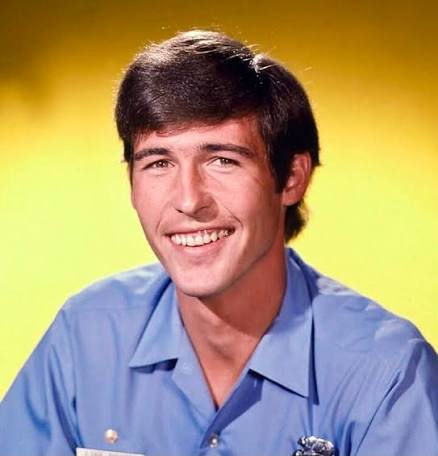
The first big break came on stage
Before TV got him famous, theater got him noticed.
Mantooth was spotted in New York while performing in Philadelphia, Here I Come!. A Universal Studios talent agent saw him and offered him a contract. That stage moment changed everything. The award-winning performance record also shows he wasn’t just “good enough.” He was already turning heads.
Which brings up something I probably should have mentioned earlier—stage acting is brutal training. It’s not cushy. No second take, usually. If you can hold a room there, TV becomes easier.
He moved to California, started taking television roles, and kept building his résumé in a patient way. That patience matters more than people admit.
Career timeline at a glance
Here’s a clean way to see how his work turned into lasting value.
| Period | Main Work | Net Worth Impact | Key Highlights | Rating |
|---|---|---|---|---|
| 1945–1960s | Early life, school theater, drama school | Low, pre-fame | Sacramento roots, AADA training, stage name change | 7/10 |
| 1970s | Breakout TV years | Major rise | Emergency!, guest TV, directing, strong recognition | 10/10 |
| 1980s–1990s | Soap operas and guest roles | Steady income | Loving, The City, One Life to Live, As the World Turns | 8/10 |
| 2000s–2010s | Film, TV, advocacy, theater | Diversified income | Stage work, speaking, firefighter and EMS advocacy | 8.5/10 |
| 2020s | Legacy recognition | Mostly legacy value | Continued public presence and reputation | 7.5/10 |
That table is simple on purpose. It shows the money trail without pretending his wealth came from one source.
Emergency! made him famous, and probably did the heavy lifting financially
This is the part everybody remembers.
Mantooth was cast as Johnny Gage on Emergency! after producer Robert A. Cinader saw him in a small role on The Bold Ones. The show ran six seasons, and he co-starred with Kevin Tighe as a paramedic team working out of Squad 51.
The show wasn’t just popular. It mattered culturally. The background material notes that at the time of the premiere, there were only 12 paramedical units in North America across four municipalities. Ten years later, more than half of Americans were within ten minutes of a paramedic rescue or ambulance unit. That’s a wild shift. TV helped push awareness.
The show also averaged around 30 million viewers per week, according to the referenced history notes. That kind of audience drives long-term recognition, and recognition drives later earnings.
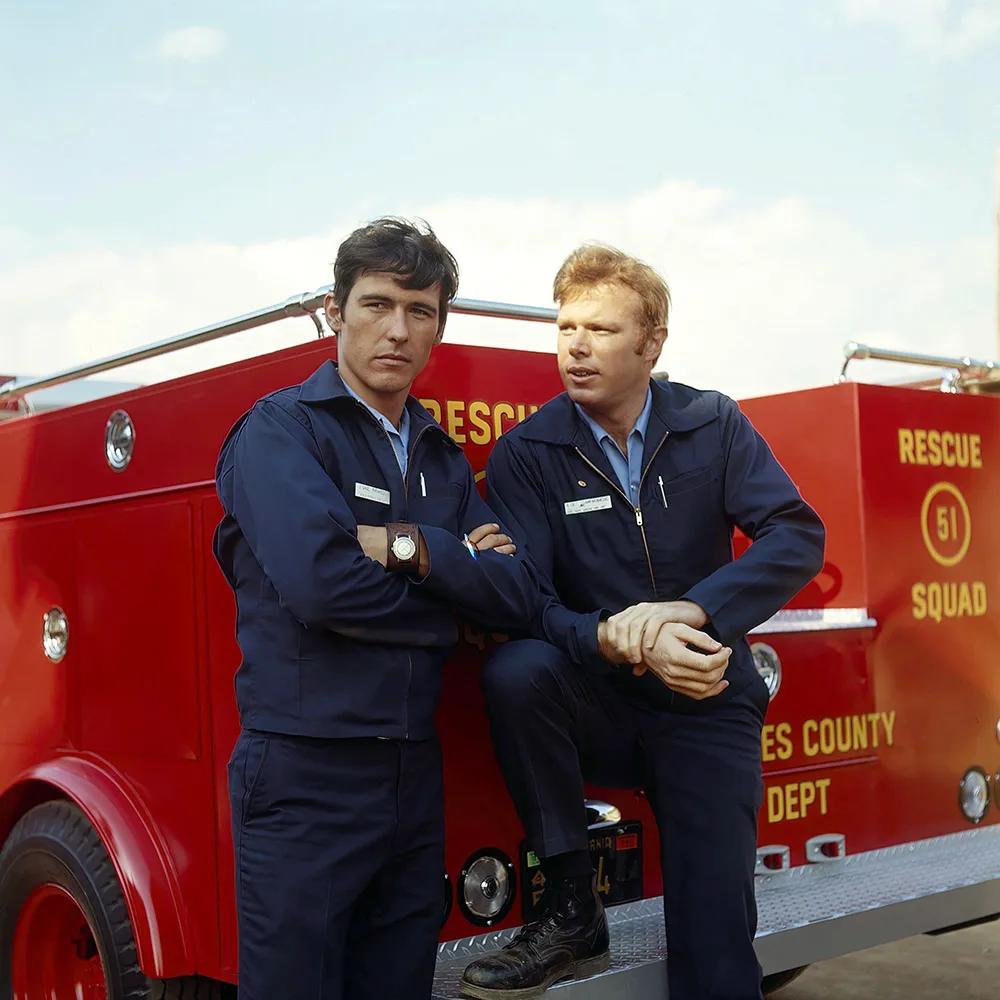
Mantooth even directed two episodes of the series. Not bad for an actor who started with stage work and small TV parts.
There were limits, though. Emergency! gave him fame, but it also typecast him in some ways. That’s the trade. Big signature roles often do that. They feed your career and box it in at the same time.
He didn’t stop with one hit
After Emergency!, Mantooth kept working in television.
He appeared in projects like Operation Petticoat, Detective School, Sierra, The Love Boat, Battlestar Galactica, Loving, The City, One Life to Live, General Hospital, As the World Turns, ER, Criminal Minds, and Sons of Anarchy. That list is long for a reason. He kept the checks coming.
He also worked in miniseries like Testimony of Two Men and The Seekers. In the 1990s and 2000s, he leaned into daytime drama. That earned him four Soap Opera Digest Award nominations, according to the source materials.
He wasn’t just waiting around for nostalgia money. He worked.
A lot of actors from his generation took one path and stayed there. Mantooth branched out. That probably helped preserve his net worth over time, even if some roles paid less than the big NBC years.
Theater stayed in the mix
Here’s a digression, because it matters more than people think.
Actors often say they love theater, then drift away once TV success arrives. Mantooth didn’t fully do that. He kept returning to the stage. That says something about discipline, or stubbornness, or both.
He became an associate artist at Jeff Daniels’ Purple Rose Theatre. He performed in Evil Little Thoughts, Black Elk Speaks, Morning after Grace, Rain Dance, and other Native American works. He also did a three-month run in Superior Donuts.
That kind of stage work may not pay like prime-time television. Still, it keeps an actor visible, respected, and creatively alive. Not every paycheck is about size.
Advocacy became part of the brand
This part is easy to overlook, but it’s central to his public identity.
Mantooth became a strong voice for firefighters, paramedics, and EMS workers. He spoke at conferences and served as spokesperson for groups like the IAFF and IAFC. He also supported fire safety and carbon monoxide awareness.
He once said, “I owe an incredible debt to firefighters, EMTs, and paramedics… so that’s a debt that no one can really pay back, but you can try.”
That quote feels honest. No polish. Just gratitude.
A JEMS editor described him as one of the strongest reminders of how America turned basic emergency care into a systematic EMS approach. That kind of statement helps explain why his reputation stayed strong long after his biggest TV hit.
His advocacy also built a different kind of value. Less visible, maybe. But real. The sort of thing that keeps a name circulating in professional circles, museums, and public-service events.
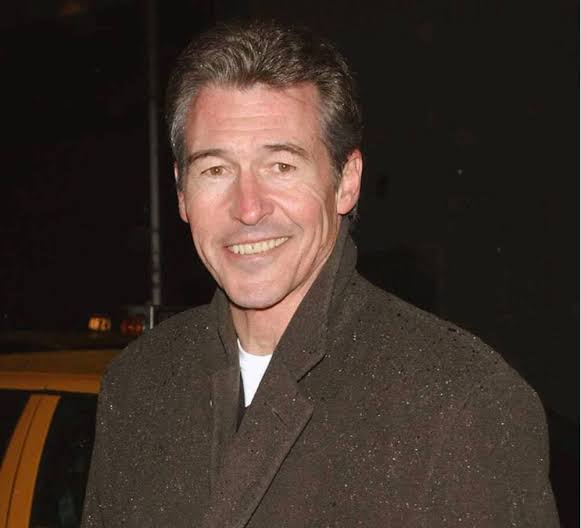
So, what is Randolph Mantooth’s net worth?
Most public estimates place Randolph Mantooth’s net worth at about $3 million.
That figure fits his career shape. He had a major network series. He kept working in TV for decades. He did theater. He made public appearances. He spoke at EMS and fire-safety events. He wasn’t a tabloid-driven celebrity with huge brand deals. He was a working actor with a durable niche.
The honest answer is that his wealth likely came from:
- steady television salaries
- residuals from Emergency!
- later soap and guest roles
- stage work
- speaking engagements and appearances
- long-term public recognition
Not flashy. Just steady.
And honestly, that’s a respectable career model.
Why his story still holds up
Randolph Mantooth’s life is a good reminder that fame doesn’t have to be loud to last.
He started in school plays. He worked regular jobs. He got spotted on stage. Then he turned one great role into a long career. Not every part of it was glamorous. Some of it was probably exhausting. Some roles paid better than others. Some years were likely patchy. That’s the industry.
Still, he kept going.
If you’re looking at Randolph Mantooth’s net worth and wondering whether the number tells the whole story, it doesn’t. The real story is broader. It’s about persistence, niche fame, and a career that stayed useful long after the spotlight shifted.
And that, mates, is usually where the real value sits.
