
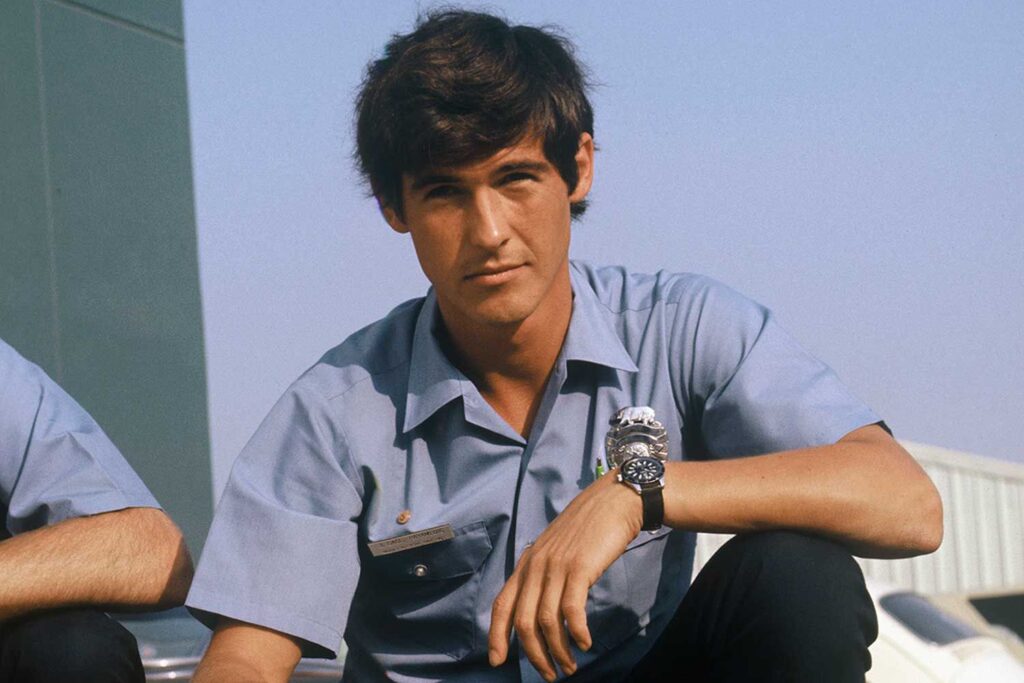
Randolph Mantooth, Firefighter-Paramedic Johnny Gage on Emergency!, Dies at 80
Randolph Mantooth had one of those TV lives that stuck.
People who watched Emergency! in the 1970s remember Johnny Gage. The grin. The swagger. The scrappy charm. And, maybe more than anything, the sense that this guy could walk into chaos and still keep his head.
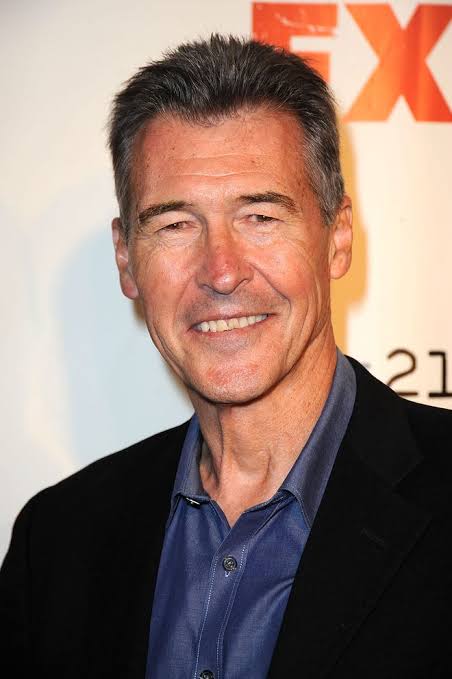
Mantooth died at 80, and the news lands with a strange mix of sadness and gratitude. Sadness, because a familiar face is gone. Gratitude, because he helped make emergency medicine feel real to millions of viewers.
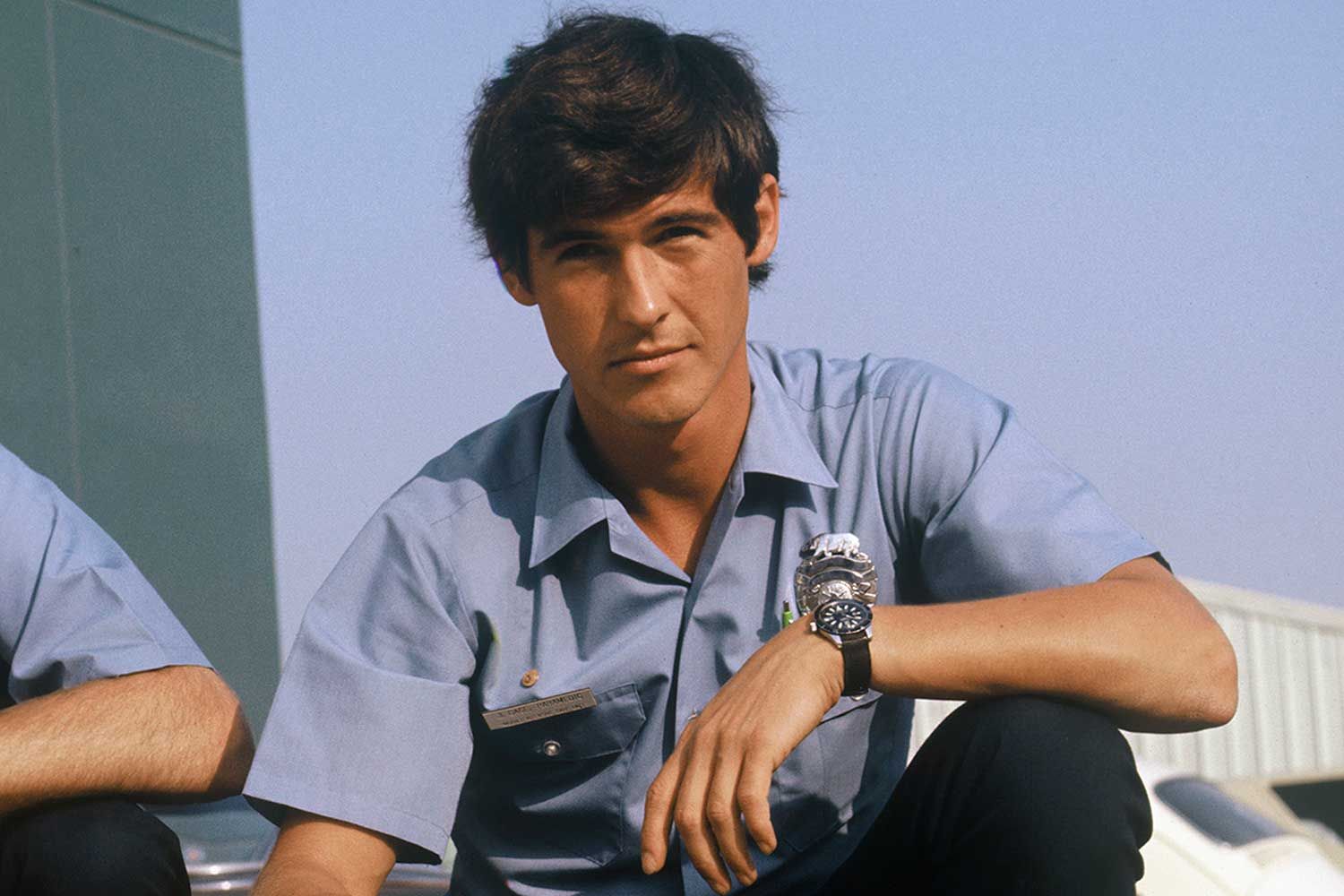
Emergency!.
A lot of obituaries stop at the role that made someone famous. That feels too thin here. Mantooth’s career had more texture than that. He worked in soap operas. He popped up in guest roles. He kept moving, which makes sense for a man who grew up moving.
According to The Hollywood Reporter’s account of Randolph Mantooth’s death, he died after a long illness. His brother Donald said Mantooth had been “ill for a number of years and kept getting thinner and thinner.”
The boy who moved too much to settle
Randy DeRoy Mantooth was born on Sept. 19, 1945, in Sacramento. His father, Buck, worked as a pipeline construction engineer. So the family kept relocating.
He later said he lived in 24 states before age 18. That’s not a normal childhood. Not even close.
There was a cost to that constant motion. Mantooth said he never stayed in one town long enough to build lasting friendships. “I was always living in my own little fantasy world,” he said. That line has the lonely ring of someone who learned early how to disappear into character.
His mother, Sadie, worked as a waitress. After she and Buck divorced, she promised each of her four kids a car after high school. Small detail. Big image. You can almost see the family trying to keep things steady, one promise at a time.
He started acting at San Marcos High in Santa Barbara, then went to Santa Barbara City College and later New York’s American Academy of Dramatic Arts. That’s also where he switched from Randy to Randolph, which sounds like the kind of choice a young actor makes when he wants the name to look better on a marquee.
The role that changed his life, and a lot more
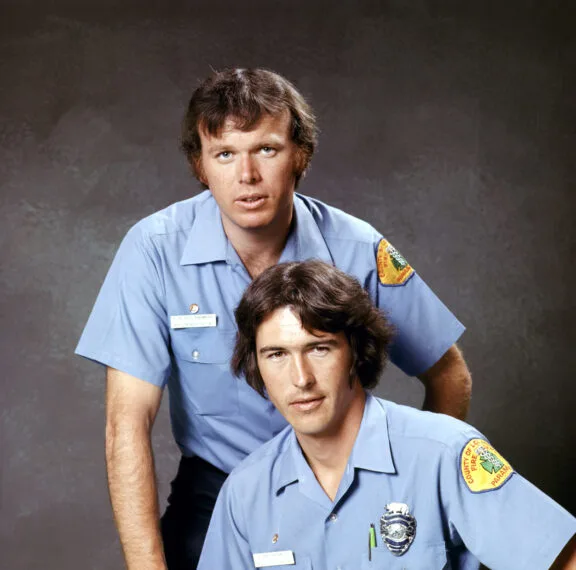
Mantooth was still a contract player at Universal when he landed the part of Johnny Gage in 1971. He was cast opposite Kevin Tighe, who played Roy DeSoto.
The show came from Dragnet creator Jack Webb and Robert A. Cinader. And yes, the setup was simple. Two paramedics. One ambulance. Lots of emergencies. But the show hit because it felt grounded. Not polished. Grounded.
Here’s the thing people sometimes miss: Mantooth and Tighe were learning almost as much as the audience.
Emergency! years, when the show’s cast was learning the mechanics of real paramedic work.
As Mantooth recalled in a 2013 interview for the TV Academy Foundation’s The Interviews, when he was told he’d be playing a paramedic, his first reaction was, “What the hell is a paramedic?” He added that there were only “a handful” in all of California then.
He also admitted he didn’t want to do it at first because it meant he’d need a haircut.
That part makes me smile. It’s funny, but it also tells you something real. He was not stepping into some glossy hero fantasy. He was learning a brand-new profession for the screen, and the profession itself was barely defined yet.
Why Emergency! mattered so much
The show wasn’t just popular. It was oddly consequential.
The pair took paramedic classes. They learned how to insert an IV. They trained with the fire department. Cinader wanted the show to be funny, but he also told the actors that when the alarm sounded, “funny is left at the door.”
Mantooth said, “We never got away from that.”
He also described the cast dynamic in a way that feels very human: the inexperienced Mantooth and Tighe were “in the same boat.” “It was more like us against them,” he said. That’s a nice little glimpse behind the curtain. Everyone else on set had more miles on them. They had to catch up fast.
And the show’s influence was not imaginary. When Emergency! premiered, there were only 12 paramedic units in all of North America. In the next three years, 46 states enacted laws allowing paramedics to practice emergency medicine. Within 10 years, more than half of all Americans were within 10 minutes of a paramedic rescue or ambulance unit.
That’s a jaw-dropper. Not metaphorically. Literally.
| Name / Phase | Approx. Time | Price / Cost to Viewer | Location / Setting | Highlight Features | Rating |
|---|---|---|---|---|---|
| Emergency! with Johnny Gage | 1972–1977 | Free-to-air NBC viewing | Los Angeles County / Rampart General / Station 51 | Realistic rescue work, paramedic training, cultural impact | 9.7/10 |
| Randolph Mantooth’s soap era | 1987–1995 | Daytime TV exposure | Loving, General Hospital, As the World Turns, One Life to Live | Steady TV presence, character versatility | 8.2/10 |
| Later career and honors | 2007–2012 | Film/TV guest roles | Film and TV guest appearances | Longevity, honorary fire chief recognition | 8.8/10 |
Experts later said that growth simply would not have occurred without Emergency!.
Mantooth himself put it plainly: “When you take life-saving services out of the hospital and into the field, the number of lives that are saved is incalculable.”
That’s the core of his legacy. Not fame. Not nostalgia. Real-world change.
There was also an emotional side to it, and this is where the story gets a little heavier.
In his TV Academy interview, Mantooth spoke about being saved by paramedics in the 1970s after carbon monoxide poisoning from a malfunctioning furnace. He also said emergency personnel once brought his sister back after a car crash in the 1980s.
So when he praised first responders, it wasn’t boilerplate. He owed them. Deeply.
“Do I respect paramedics? Do I respect firefighters?” he asked. “There’s a debt I owe them that I probably can’t ever pay back. But I’m gonna try.”
That quote hits harder than most. And it should.
The chemistry that kept Emergency! alive
Mantooth and Tighe shared an agent. They also shared a motor home during the entire run. That detail always feels a bit cinematic, doesn’t it? Two actors, one home-on-wheels, riding the same wave.
The series ended after seven years because their original contracts expired, Tighe didn’t want to continue, and Mantooth didn’t want to go on without him.
That sounds simple. It wasn’t, of course. But it was honest.
And the show kept expanding. Emergency! ran for six seasons, from January 1972 through May 1977. Then came seven telefilms. There was even a Saturday morning animated series in 1973-74. Which reminds me—TV used to do the strangest things with hit shows. Sometimes those spins were goofy. Sometimes they were weirdly charming. This one was both.
Emergency! visibility and public recognition.
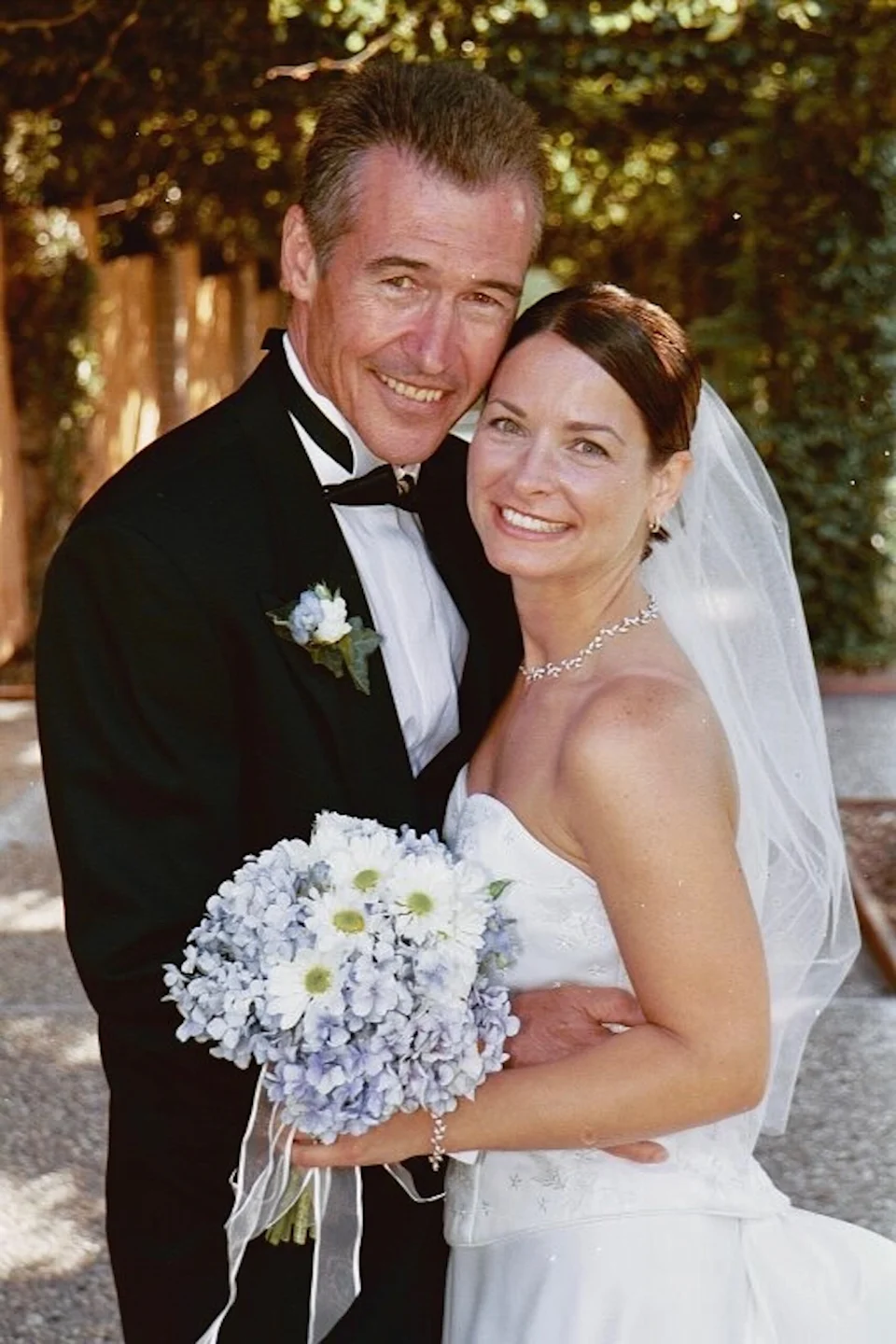
He and Tighe stayed close. In 1978, when Mantooth rushed home and found his ranch in Agoura Hills on fire, Tighe was already there, helping get the animals off the property. Later, Tighe was best man at Mantooth’s 2002 wedding to actress Kristen Connors.
That’s not just co-star stuff. That’s real friendship.
What came after Johnny Gage
Mantooth didn’t disappear after Emergency!. He kept working.
He joined Operation Petticoat in 1978, then Detective School and the HBO miniseries The Seekers. Later came guest spots on Battlestar Galactica, Charlie’s Angels, The Fall Guy, Diagnosis Murder, and L.A. Law.
He also had two runs on Loving as Clay Alden/Alex Masters, and he appeared on General Hospital, As the World Turns, and One Life to Live. On As the World Turns, he played Hal Munson after Benjamin Hendrickson died in 2006.
He showed up in films too, including He Was a Quiet Man and Bold Native, and on Sons of Anarchy in 2011. In 2012, he and Tighe were named honorary fire chiefs by the L.A. County Fire Department.
That honor felt right. A little overdue, maybe. But right.
The strange luck of being remembered well
Mantooth once said, “I could be remembered for driving a car that has a name like the General Lee, not that there’s anything wrong with that show. Instead I’m remembered for something that changed emergency medicine, forever. How lucky can any one person be?”
That line is so human. Part brag, part gratitude, part disbelief.
And honestly, he had a point.
Some actors get remembered for a look. Some for a catchphrase. Mantooth got remembered for helping make a whole profession look essential before most people really understood what paramedics were. That’s not a bad way to be remembered. Not at all.
He survived by his brother Donald and his sister Tonya.
He leaves behind a TV legacy, sure. But also a public health legacy that reached far beyond the screen. That’s rarer than people think.
And maybe that’s the final shape of his story: a working actor who found the role that fit, then helped make the real world a little safer.
