
Michael Byrne Dies: ‘Harry Potter’ Actor Dead at 82
Michael Byrne, the British actor whose face popped up in some of the biggest screen adventures of the last half-century, has died at 82. He’s probably best remembered by many viewers as the older Grindelwald in Harry Potter and the Deathly Hallows: Part 1, but that was only one corner of a long and busy career.
The Guardian’s report on Michael Byrne’s June 20 death was plain-spoken: he died on June 20, and no cause or location was released. That kind of detail often leaves people wanting more, but sometimes the bare facts are all a family chooses to share. Fair enough.
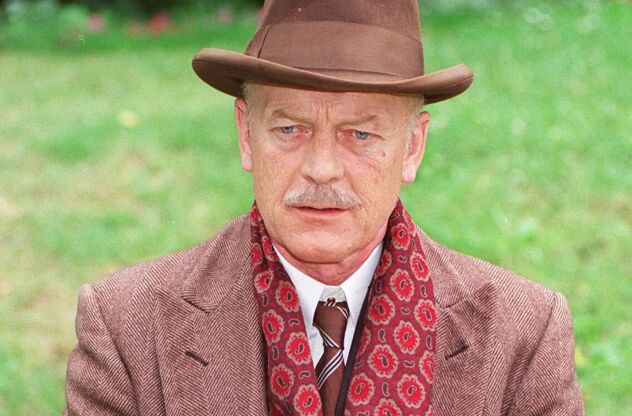
A career that kept showing up in the right places
Byrne wasn’t the sort of actor who usually got the giant poster face. Not the flashy one. The guy you spotted and thought, “Wait, I know that bloke.” And then, two seconds later, you remembered he’d been in something else you loved too.
Born in London on November 7, 1943, Byrne started on television in the early 1960s and ’70s, turning up in shows like No Hiding Place, NET Playhouse, New Scotland Yard, and Thriller. His early screen path also included an uncredited feature debut in The Crimson Blade in 1963, then later film work such as Vampyres, The Omen (as a monk), and Champions.
Here’s the thing: some careers don’t roar. They accumulate.
That may sound tidy, a bit too tidy maybe, but it fits Byrne. He kept building. He kept working. And he kept landing in films people still talk about years later.
Byrne’s early screen work and film debut show the kind of steady, old-school British acting life that doesn’t always get enough credit.
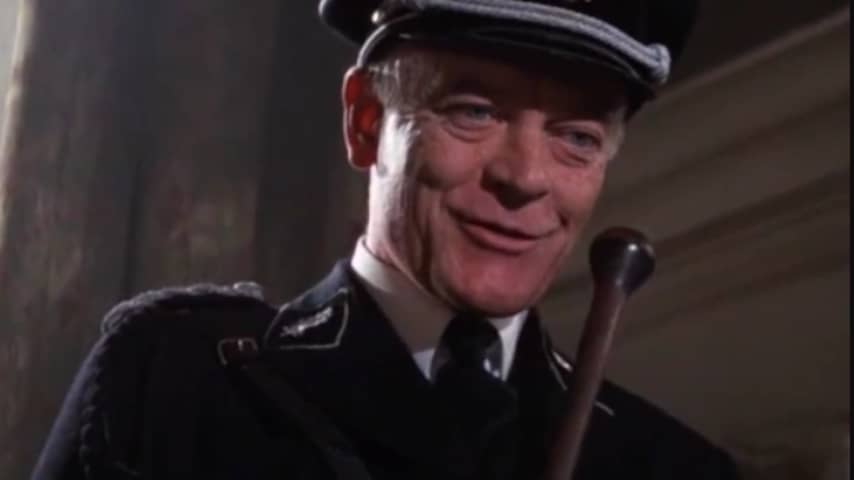
The roles fans remember fastest
If you came to Byrne through cinema, there’s a decent chance Indiana Jones and the Last Crusade is where he stuck in your memory. He played Ernst Vogel, a Nazi antagonist whose final moments are as blunt and brutal as that movie’s pace. No fuss. No perfume. Just gone.
He also appeared in Braveheart as Smythe, and in Harry Potter and the Deathly Hallows he played the elderly dark wizard Grindelwald. That role matters more than it might first appear, because Harry Potter introduced him to a whole younger generation that may not have known his earlier work at all. Funny how that happens. One franchise can reintroduce a performer to people who were never there for the first act.
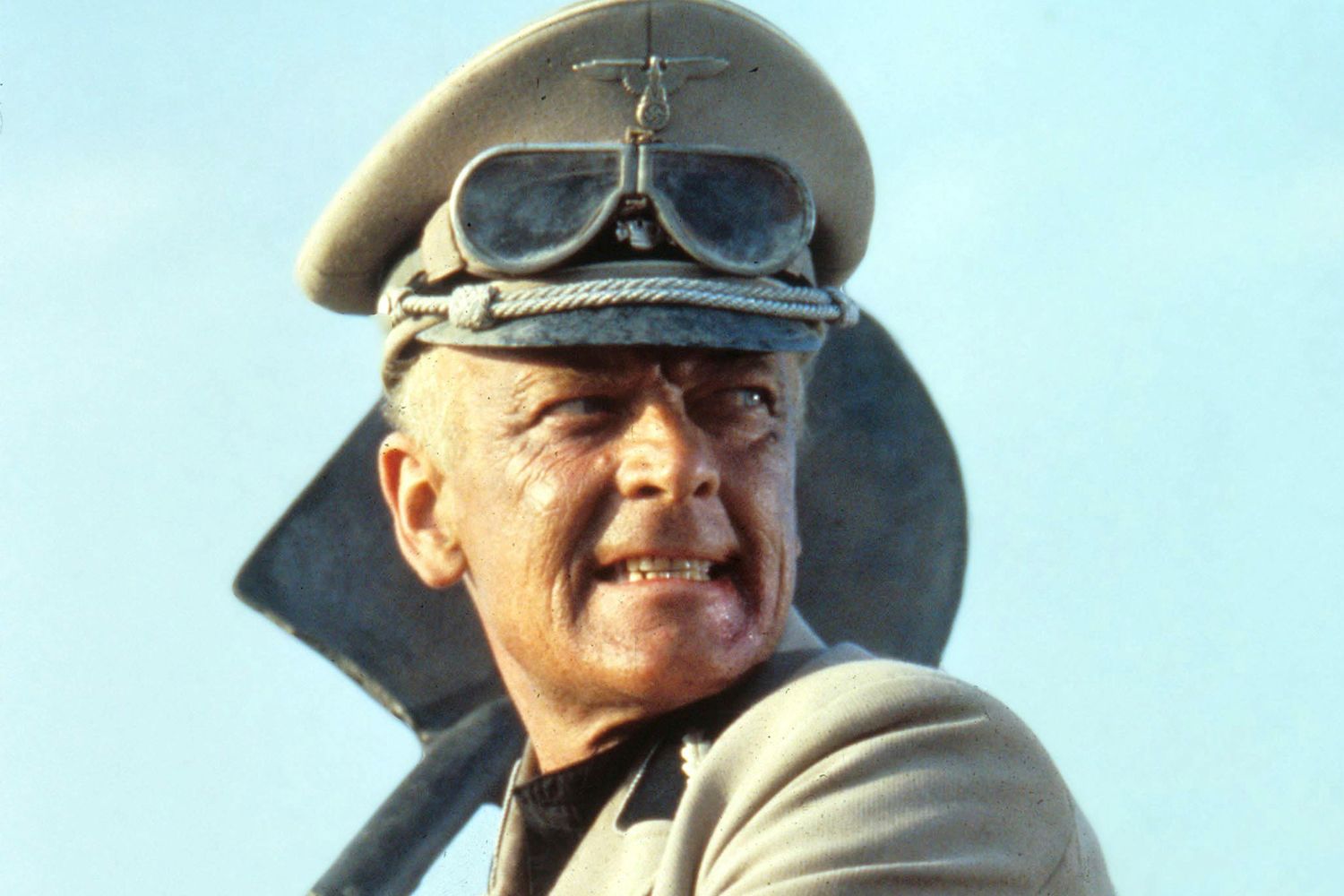
And there’s also his work in Force 10 from Navarone, plus later 1990s appearances in Tomorrow Never Dies and Bryan Singer’s Apt Pupil. Byrne’s range across major films in the 1990s is a neat reminder that he wasn’t boxed into one kind of part.
Which brings up something I probably should have mentioned earlier—he often played men with authority, menace, or both. That was his lane, sure, but he gave those characters texture. Not cartoon villain stuff. More like somebody you’d rather not meet in a narrow hallway.
Stage work mattered too
Film fans can forget this part, and then theater people raise an eyebrow. Rightly so.
Byrne also had a serious stage life. Theater credits from Laurence Olivier’s National Theatre Company and later productions at the Royal Court, National Theatre, and elsewhere sketch out a performer who wasn’t just passing through. He did the work. Repeatedly. Onstage, where there’s nowhere to hide.
That’s the part I always find a bit moving with actors like Byrne. The movies give you the big public moments, but the theater is where the craft gets hammered into shape, night after night, in front of people who’ll let you know immediately if you’re off your game. Brutal. Also kind of beautiful.
Family and the quieter details
Byrne is survived by his ex-wife, Carole Nimmons, whom The Guardian notes “cared for him towards the end of his life,” along with daughters Tara and Bryony, and grandchildren Tom, Chloe, and Jasmine.
His surviving family and the personal care noted at the end of his life gives the story its softer edge. Careers are easy to summarize in a sentence or two. Families, not so much.
And maybe that’s the right note to end on, though not in some grand, polished way. Michael Byrne didn’t need to headline every room to leave a mark. He left one anyway. Quietly, steadily, and across a lot of people’s favorite films.
