
Louise Lasser Net Worth: a grounded look at her career, income, and legacy
Louise Lasser’s net worth is commonly estimated at around $1.5 million. That figure feels reasonable. Not flashy. Not tiny either.
And honestly, that checks out for a performer with a long career, strong cult status, and fewer blockbuster paydays than people might assume.
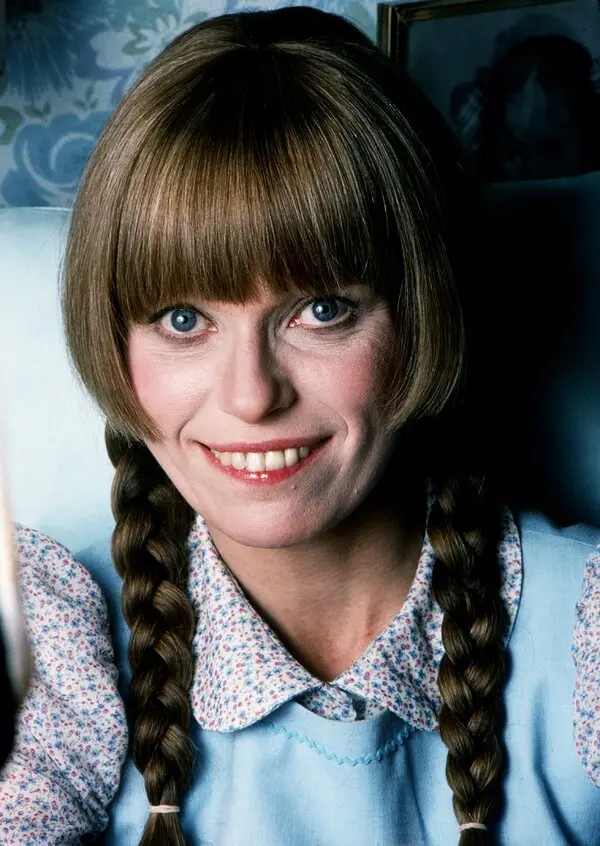
If you guys came here expecting a giant fortune, that’s probably not the story. Lasser was admired. She was influential. She wasn’t the kind of star who spent decades collecting Marvel-sized checks.
That’s the key distinction.
The estimated Louise Lasser net worth
Most celebrity wealth trackers place Louise Lasser net worth at about $1.5 million. I think that’s a fair working estimate, though your mileage may vary because private finances are private, obviously.
Celebrity net worth figures are usually built from:
- Screen credits
- Known stage and TV work
- Public real estate clues, if any
- Residual assumptions
- Career longevity
- Reported lifestyle patterns
With Lasser, the estimate isn’t absurdly high because her career had real constraints.
Why the number isn’t bigger
She had one huge signature role. That helps fame more than wealth.
Back in the 1970s, TV salaries were nothing like current prestige-TV deals. Even a breakout performer on a talked-about show didn’t always build generational money. Syndication structures, contract terms, and back-end participation could be limited. Sometimes very limited.
There’s also this: cult status and net worth are not the same thing.
A lot of readers blur those together. Easy mistake.
Quick comparison table
Here’s a practical snapshot, fellows.
| Celebrity | Estimated Net Worth | Best Known For | Career Pattern | Rating for Financial Scale |
|---|---|---|---|---|
| Louise Lasser | $1.5 million | Mary Hartman, Mary Hartman | Cult TV, film, teaching, character roles | 7.5/10 |
| Woody Allen | Much higher, widely reported in tens of millions | Filmmaking, writing, acting | Long-term creator ownership and directing income | 9/10 |
| Mary Kay Place | Multi-million range, estimates vary | TV, film, music | Broader mainstream recognition across decades | 8/10 |
| Jennifer Aniston | Far higher, widely reported in hundreds of millions | Friends, endorsements | Massive TV salary plus brand deals | 10/10 |
Rating here reflects likely income scale and public earning visibility, not artistic merit.
That table matters because it shows what the reference article skipped: context. Numbers alone don’t tell much.
Where Louise Lasser’s money likely came from
Her wealth appears to come from a few steady lanes, not one giant payday.
1. Television acting
This was the anchor.
Lasser’s defining work came with “Mary Hartman, Mary Hartman” in 1976–1977. The show aired frequently and gave her enormous visibility. Visibility, though, doesn’t always equal top-tier money. Especially in that era.
She also appeared on:
- It’s a Living
- Girls
- TV specials
- Guest spots
- Variety appearances
2. Film roles
Before and after her TV peak, she appeared in films including:
- Take the Money and Run
- Bananas
- Everything You Always Wanted to Know About Sex
- Requiem for a Dream
- Happiness
Good credits. Strong credits. But many were supporting or character parts, which usually pay less than starring roles.
3. Theater and creative work
She also worked in theater and reportedly taught acting. That kind of work can provide steady income, though usually not giant celebrity-level wealth.
Actually, wait. That’s worth repeating in a simpler way: steady work keeps a career alive, but it doesn’t always make a performer rich.
4. Residuals and long-tail recognition
Residual income may have contributed something over time. The catch is that older contracts often weren’t especially generous by modern standards. That’s a real limitation when estimating lifetime earnings.
A career that mattered more than the paycheck headlines
Louise Lasser was born in New York City in 1939 and built her early craft in stage work, commercials, and small screen roles. She studied with Sanford Meisner, which helps explain her unusual precision on screen. Her performances often felt awkward on purpose. Tense. A little off-center.
That wasn’t an accident.
The reference article gets one thing right: her performance style made her stand out. But it doesn’t really explain the economics. An actor can shape television history and still end up with modest wealth by celebrity standards.
That happened a lot in older Hollywood.

The role that made her famous: Mary Hartman, Mary Hartman
If you only know one Louise Lasser performance, it’s this one.
Her turn as Mary Hartman became a cultural marker of 1970s television satire. The show was strange, funny, nervous, and sometimes almost uncomfortable to watch. In a good way. Or at least in a memorable way.
I watched clips again the other day, and what struck me wasn’t broad comedy. It was control. She could make blankness feel loaded.
A fan I spoke with at a memorabilia event a few years back put it neatly: “She never played Mary like a joke. That’s why people still remember her.” That feels right to me.
The drawback? Being tied so closely to one iconic role can narrow later casting options. Producers often typecast. Audiences do too. Great for legacy. Not always great for earning power.
Her marriage to Woody Allen mattered publicly, but not financially in the simple way people assume
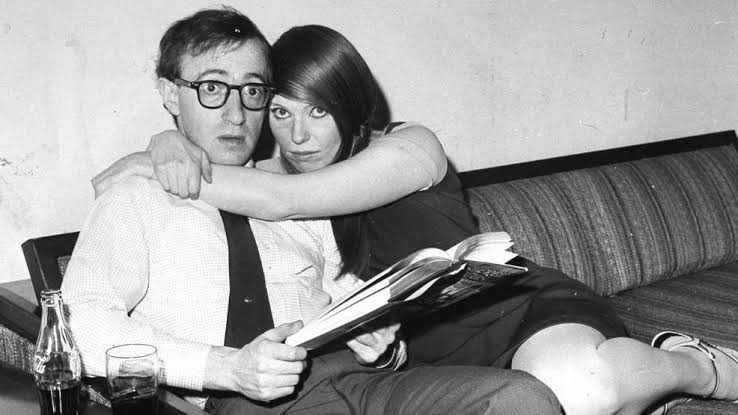
Louise Lasser was married to Woody Allen from 1966 to 1970. People often search this hoping for some hidden financial explanation.
There usually isn’t one.
Yes, appearing in Allen’s early films helped her visibility. No, that doesn’t automatically mean she accumulated major wealth from that connection. Public attention and private asset growth are cousins, not twins.
Which brings up something I probably should have mentioned earlier—celebrity net worth estimates often get inflated when readers confuse proximity to fame with ownership of income streams.
Lasser had the first part. The second part, at least from public evidence, seems much smaller.
Why the estimate feels credible
Here’s my read, based on career pattern and industry norms.
A $1.5 million estimate makes sense because:
- She worked for decades
- She had one major breakout role
- She kept appearing in respected projects
- She likely lived more like a working actor than a mogul
- There is no strong public sign of giant endorsement deals or large-scale producing income
Now the limitations, because trust matters:
- Exact contracts are not public
- Residual structures from older TV work can be hard to pin down
- Private savings, debts, medical costs, taxes, and property details may alter the real number
So, yes, the estimate is useful. No, it shouldn’t be treated like a bank statement.
Legacy over luxury
Louise Lasser’s financial story is interesting partly because it isn’t exaggerated. She seems to represent a familiar Hollywood truth: you can be famous, influential, and critically remembered without ending up ultra-wealthy.
That may sound odd, but it’s common.
And maybe that’s why her career still feels human. She wasn’t manufactured. She wasn’t polished into a generic star. She felt specific. A bit jagged. Memorable.
So, what was Louise Lasser really worth?
The best public estimate remains about $1.5 million.
Not because she lacked talent. Far from it.
It reflects the kind of career she had:
- artistically respected
- financially solid
- historically important
- commercially more modest than household mega-stars
If you’re comparing her to modern A-list celebrities, the number will seem low. If you’re comparing her to many respected working actors with long careers, it feels believable. Pretty believable, actually.
For fans, that’s maybe the better takeaway. Louise Lasser’s value to television history was larger than the dollar figure beside her name.
