
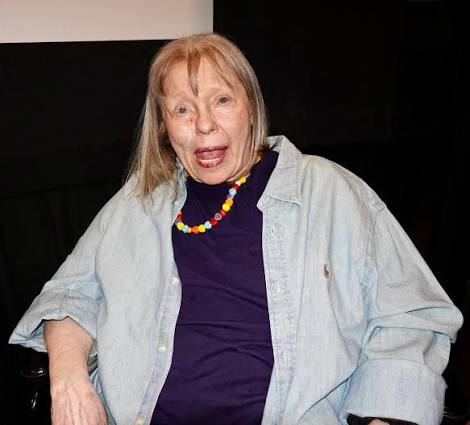
Louise Lasser, Star of TV’s ‘Mary Hartman,’ Is Dead at 87
Louise Lasser died at 87.
That alone feels a little unreal.
She had one of those careers that never sat still. Broadway. Woody Allen comedies. A cult TV hit that got stranger, and smarter, as it went. Then a long afterlife in smaller roles that many viewers still remember. Funny thing is, she was never the loudest person in the room. That was part of the point.
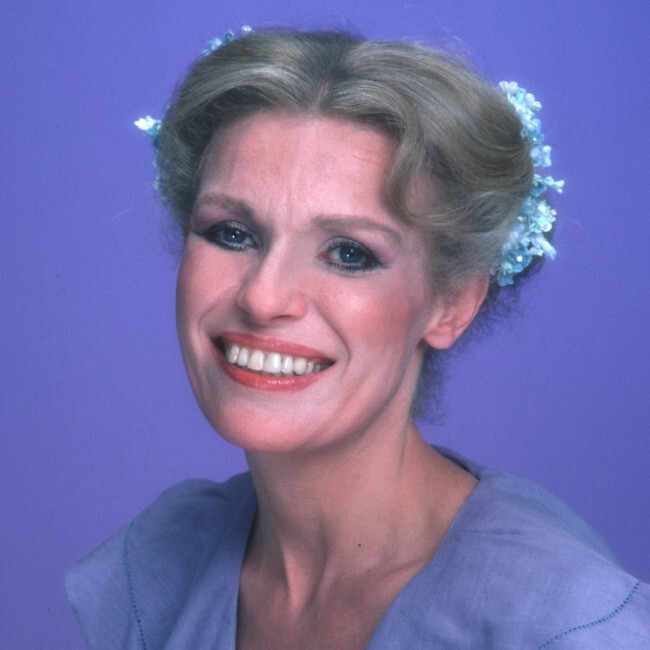
The news was confirmed by her close friend Susan Charlotte, who told The Hollywood Reporter that Lasser died Monday of natural causes at her home on Manhattan’s Upper East Side. The phrasing is plain. The life behind it was not.
She became famous for playing Mary Hartman, a fictional housewife whose problems were absurd, sad, and weirdly recognizable. But before that, she was already building a sharp comic identity. And before that, she was a New York kid with stage instincts that wouldn’t go away.
A New York beginning, then a turn toward the stage
Louise Jane Lasser was born on April 11, 1939, in New York. Her father, S. Jay Lasser, was a tax expert and author. She studied political science at Brandeis University. Not exactly an obvious path to TV fame. But life rarely behaves.
After three years of college, she took what she later called a “psychological leave” and returned to New York. At 21, she studied acting with Sanford Meisner and performed in Greenwich Village coffeehouses and bars. That detail matters. You can feel the scrappy start of it.
She gained attention in 1962 when she replaced Barbra Streisand on Broadway in I Can Get It for You Wholesale. That kind of substitution sounds small. It wasn’t. Broadway was a rough proving ground, and stepping into that slot gave her early credibility.
The same year, she appeared on The Laughmakers, written by Woody Allen. By 1965, she had an uncredited appearance in What’s New Pussycat? So yes, the film-world connection was already forming. Quietly. Then all at once.
Woody Allen, and a partnership that shaped her screen image
Lasser and Allen married in 1966 and divorced in 1970. She was his second wife and one of his earliest leading ladies. Their connection was personal, creative, and a little hard to separate later on.
She was with him at the start of his movie career for What’s Up, Tiger Lily? In that 1966 cult oddity, Allen took an obscure Japanese spy thriller, dumped the old soundtrack, and built a new nonsense narrative around a hunt for the world’s best egg-salad recipe. Very silly. Also very specific. Lasser voiced the heroine, Suki Yaki.
Then came Take the Money and Run and Bananas. Their final film together was Everything You Wanted to Know About Sex But Were Afraid to Ask. The titles alone tell you the comic temperature of the era.
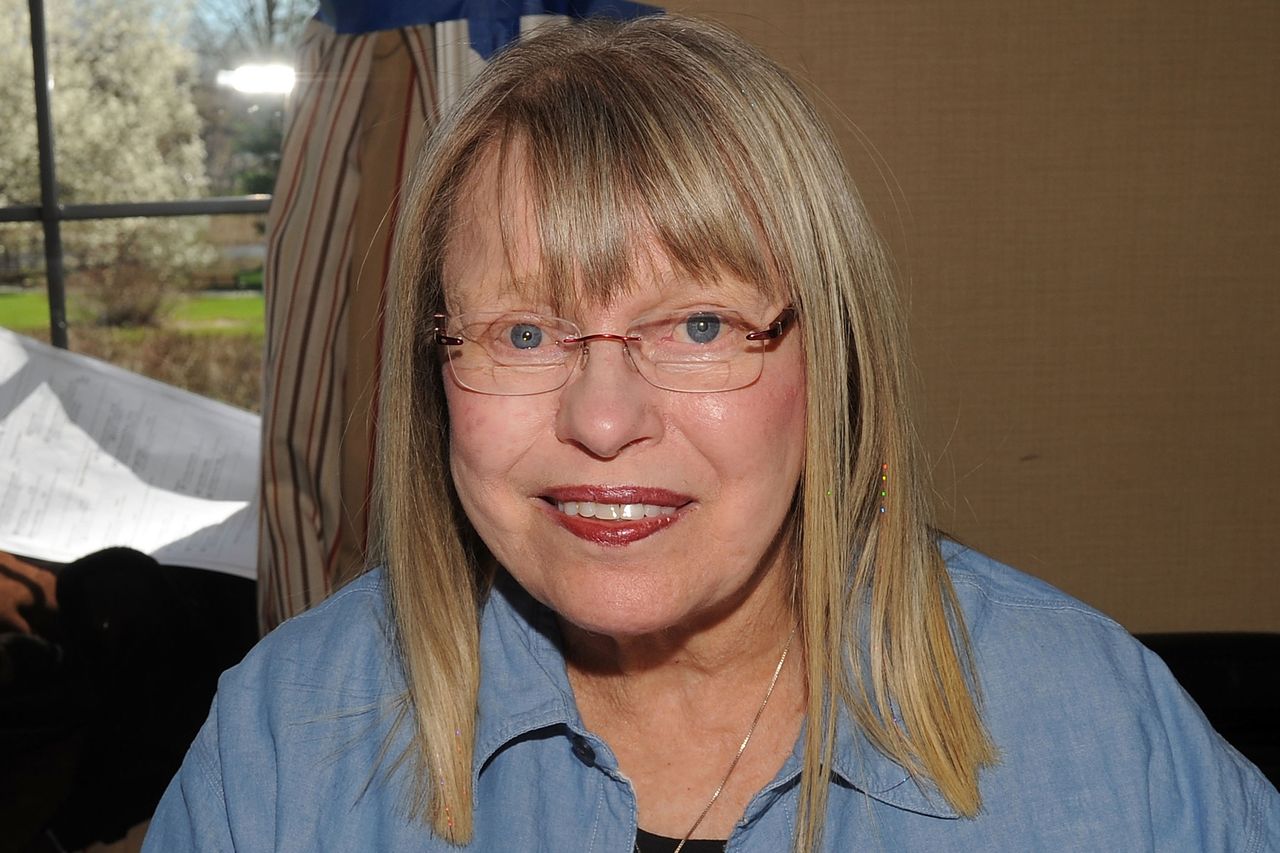
Lasser once explained, in her own words, how the connection started. “We immediately, immediately, just were meant to be in the same playpen.” That line has her whole rhythm in it.
And in a 1976 People interview, she said she and Allen were still phone pals and that he remained “the major relationship” and “a major, major influence” in her life. She also said the name on her driver’s license read Louise Jane Allen. She never married again.
There’s a tenderness in that. Also, a little ache.
Why Mary Hartman mattered so much
Here’s the part that cemented her fame. Mary Hartman, Mary Hartman was not normal TV. It was a daily-ish fever dream of suburban satire, and it knew exactly how odd that sounded.
Produced and developed by Norman Lear, the show ran in 1976-77 and mocked soap operas while also mocking the larger American appetite for packaged happiness. The title itself was a joke. Repeat the name twice, and you get the melodramatic excess of daytime television. Simple. Mean. Accurate.
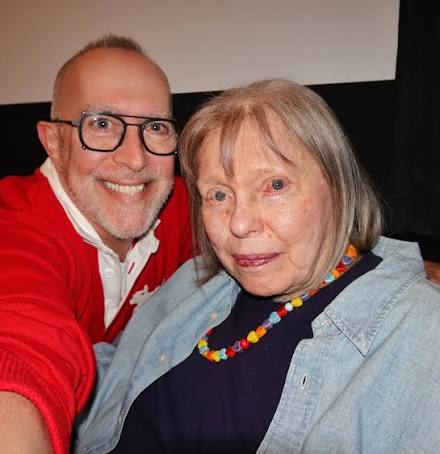
The show ran five nights a week in syndication. That was unusual then. The industry wasn’t sure what to do with it. When Lasser was nominated for an Emmy in 1976, her category was “Special Classification of Outstanding Program and Individual Achievement.” That sounds almost comically bureaucratic. Which, honestly, fits the show.
Still, people knew it was funny.
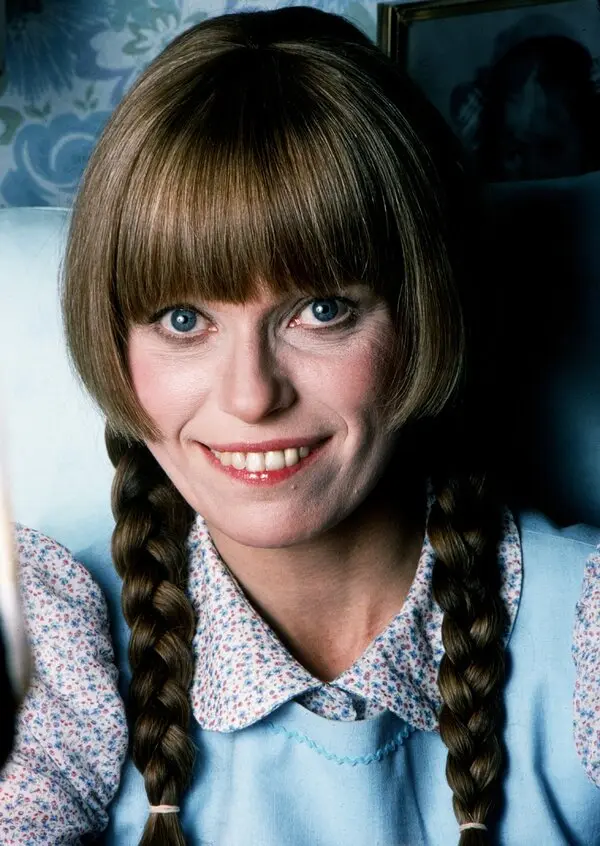
Mary Hartman carried on about Swanson TV dinners, floor wax buildup, and the deadening smallness of suburban life in Fernwood, Ohio. Lasser gave the character a soft voice, girlish pigtails, a Peter Pan collar, and a kind of wounded dignity. That balance was the trick. Sweetness, then despair. Then more sweetness.
The show stretched across 325 episodes, which is wild when you think about it. A small-town nightmare can last a long time if the writing is sharp enough.
A quote that explains the show better than a summary ever could
Lasser said in a 2013 Interview magazine conversation: “I always thought it was a really good show because it touched so many aspects of everything.”
She went on: “It’s sort of up and down and in and out, and before you know it, there you are. And then it itched such rich subjects, do you know what I mean? People always say it’s way ahead of its time. I never thought it was ahead of its time. I always thought it was of its time.”
That last line feels right. Not ahead. Of. That’s the sharper thought.
A direct quote also appears in People from an early phase of the show’s emotional fallout. As Armstrong wrote, Lasser said, “I felt wonderful. I’d had a nervous breakdown in playtime, with no consequences.” One of her friends added, “She totally broke down after that scene, because she had to finish it for herself.”
That’s a messy sentence, emotionally speaking. But it makes sense. The role wasn’t just acting. It was pressure released through performance.
The rough patches, and the stubborn return
Lasser’s life wasn’t all applause and critical praise. In spring 1976, she was arrested after an incident in a Beverly Hills store led to cocaine being found in her purse. She told People it was a tiny amount given to her by a fan months earlier. She also said, “I’m not a coke user, and I hadn’t used that stuff.” Still, she added, “But you can’t plead innocent if you’ve got it on you.”
Shortly after the arrest, she hosted the final episode of the first season of Saturday Night Live. Her behavior was reportedly erratic, and she became the first performer banned by Lorne Michaels from hosting again. That’s a harsh footnote. Real life does that sometimes. It bites into the legend.
But she kept working.
Later roles, later years
After Mary Hartman ended in 1977, Lasser stayed busy with recurring roles on Taxi and It’s a Living. She wrote and starred in the 1978 telefilm Just Me and You. In 1980, she appeared in Stardust Memories.
Her later film credits were a long, odd list: Crimewave, Blood Rage, Frankenhooker, Happiness, Mystery Men, Requiem for a Dream, and more. She also had a recurring role as a suicidal artist on HBO’s Girls. That part feels almost painfully apt for her screen history, though not in a cheap way.
I should mention one small tangent here, because it feels human. People sometimes forget how many careers are held together by the “small” jobs. The guest spots. The weird cameo. The role you only see for three minutes but remember for years. Lasser lived in that space too.
Why people still care
Louise Lasser wasn’t just tied to one famous character. She represented a very specific kind of American comic intelligence. Dry. Nervous. Slightly bruised. And still kind of glowing.
She could make discomfort feel musical. That’s not a phrase you hear every day, but it fits.
And maybe that’s why her work lingers. Not because it was tidy. Because it wasn’t. It had nerves in it. It had pauses. It had a woman trying to keep herself together while the world around her got sillier and sadder at the same time.
That’s a pretty good description of life, actually.
Quick comparison of key career stages
| Era / Project | Approx. Year | Key Features | Limitation / Caveat | Legacy Rating |
|---|---|---|---|---|
| Broadway breakthrough | 1962 | Replaced Barbra Streisand in I Can Get It for You Wholesale | Big opportunity, but not a long-run star vehicle | 8/10 |
| Woody Allen film work | 1966-72 | What’s Up, Tiger Lily?, Bananas, Take the Money and Run | Often overshadowed by Allen’s persona | 8.5/10 |
| Mary Hartman, Mary Hartman | 1976-77 | Defining role; sharp TV satire | Hard to classify, uneven public understanding at first | 10/10 |
| Later film and TV work | 1980s-2010s | Character roles, cult films, Girls* | Many parts were small or niche | 7.5/10 |
Louise Lasser leaves behind a body of work that is funny, odd, and very much her own. Not polished in the easy sense. Better than polished, maybe. Alive.
