

Lou Koller Net Worth: a realistic look at what we can actually estimate
If you guys searched “Lou Koller net worth,” you’ve probably seen the same problem I did. Lots of pages throw out a number. Very few explain it.
That’s a red flag.
Lou Koller built his name through credibility, sweat, touring, and decades in hardcore—not flashy celebrity wealth. So if we’re being straight about it, Lou Koller’s exact net worth is not publicly known. Any figure you see is an estimate, not a filed financial statement.

My read? A sensible estimate places Lou Koller’s net worth in the low-to-mid six figures, with some room for debate. I’d roughly frame it around $500,000 to $1.5 million at different points, depending on touring cycles, catalog income, medical costs, and how assets were structured. That’s not tiny. It’s also not rock-star mansion money. Hardcore rarely works like that.
Why the exact number is hard to pin down
Let’s start with the obvious, then go one step past it.
Lou Koller was not a pop star known for major brand deals, SEC filings, or high-profile real estate headlines, but a founding member of Sick of It All and one of New York City hardcore’s most influential figures—an important distinction because musical influence does not always translate into personal wealth, even though the two are often mistakenly conflated.
And honestly, it annoys me a bit. Influence is cultural. Net worth is math.
There’s also this: hardcore bands often earn from many smaller streams rather than one giant payday. Think touring, merch, back catalog sales, publishing, guest spots, festival fees, and occasional side work. Lou also had a long career arc, from the early life years in Queens through decades on the road.
A short career path that explains the money
Lou Koller was born and raised in Queens, New York and attended Francis Lewis High School. In 1986, he and Pete formed Sick of It All, kicking off the early years and rise to prominence (1986–2000)).
The band’s first years were pure grind. Lou described that basement-era energy like this: “We all used to hang out… Eventually, Pete and I decided that we wanted to start a real band.”
That quote tells you something money articles miss. This was a scene-first career. The business came later.
Estimated net worth by income source
Here’s the cleaner way to look at it.
| Income area | How it likely paid Lou | Upside | Limitation / drawback | Estimate impact |
|---|---|---|---|---|
| Album catalog | Royalties from core releases like Blood, Sweat and No Tears and Scratch the Surface | Long-term trickle income | Hardcore royalty rates are often modest | Moderate |
| Touring | Club shows, festivals, international runs | Likely his biggest earner over time | Travel costs and band splits eat margins | High |
| Merch | Shirts, vinyl, tour items | Strong in hardcore culture | Inventory and venue cuts reduce profit | Moderate to high |
| Publishing/songwriting | Lou was a key songwriter | Can outlast active touring | Depends on ownership splits and contracts | Moderate |
| Side projects / guest spots | Blood from the Soul and guest vocals | Adds reputation and some revenue | Usually not huge money | Low to moderate |
| Other work | Public appearances, museum tour guide work | Supplemental income | Not usually major wealth builder | Low |

Touring likely mattered most financially: after releasing a self-titled EP and influential albums such as 1989’s Blood, Sweat, and No Tears, Sick of It All expanded its international audience with Scratch the Surface, which reportedly sold 250,000 copies worldwide by 1997 and led to extensive touring across North and South America, Europe, Japan, and New Zealand—an impressive achievement for a hardcore band, though record sales and touring success do not necessarily translate into substantial personal wealth.
Actually, wait. That part deserves repeating.
Album success doesn’t automatically mean huge personal wealth. Contracts, recoupment, management fees, taxes, and band splits all take bites out of revenue.
The strongest case for a modest-but-solid net worth
By the 2000s and 2010s, the band kept recording and touring. Releases like Yours Truly, Life on the Ropes, and Death to Tyrants and later Based on a True Story, The Last Act of Defiance, and Wake the Sleeping Dragon! suggest steady working-musician income over decades.
That kind of longevity matters more than one hit single.
Lou also did guest appearances and had the side project To Spite the Gland That Breeds with Blood from the Soul. Nice additions. Probably not massive earners.
Which brings up something I probably should have mentioned earlier—hardcore has one of the strangest economics in music. The fan loyalty is intense. The margins? Sometimes brutally thin.
Real-world constraints that likely limited wealth
This is where trust matters more than hype.
First, Lou’s scene never operated at mainstream commercial scale. Even with global respect, hardcore bands usually play a volume game: many shows, many years, lots of merch, not giant checks.
Second, health issues may have affected earnings late in life. Reports around the 2024 tour cancellation and esophageal tumor diagnosis and later treatment updates point to a period when touring income could have slowed while expenses rose.

Benefit shows themselves are telling. They show deep community support. They can also hint that an artist’s finances were not unlimited. That’s not shameful. It’s common. Especially in punk.
A longtime fan I spoke with at a New York club show a few years back put it simply: “Lou always felt like one of us. Legendary, yeah—but never distant.” That sounds small, maybe even sentimental. It also fits the financial picture.
What probably mattered most: legacy over luxury
Lou’s value wasn’t built on celebrity excess. It was built on durability.
He wrote songs from frustration, community, and politics. In one quote about lyrics, Lou said, “When I write lyrics… I try to keep it general so that people will actually try to relate to it.” That mindset helps explain why Sick of It All exported New York hardcore worldwide.
And yes, I know this is a net worth piece, not a tribute. But sometimes the number alone misses the man.
Lou later lived in New Jersey, had a family life, and even worked as an official tour guide at the Punk Rock Museum. That doesn’t scream billionaire energy. It screams working artist. Lifelong scene guy. Different thing.
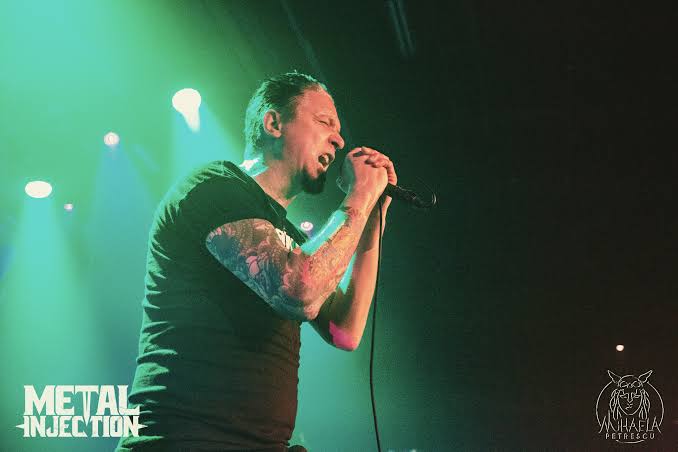
So, what was Lou Koller’s net worth?
Best estimate? Roughly $500,000 to $1.5 million, with the most honest answer being that no public source confirms an exact figure.
If you want the blunt version, buds: Lou Koller was probably rich in reputation, not extravagance.
That range makes sense because of:
- nearly four decades with Sick of It All
- recurring album and publishing income
- strong international touring history
- merch and side-project revenue
- possible late-stage financial pressure from health issues and time off the road
It’s the best estimate—or at least the best I’ve found so far.
And maybe that’s the right note to end on. Not a fantasy number. A credible one.
