
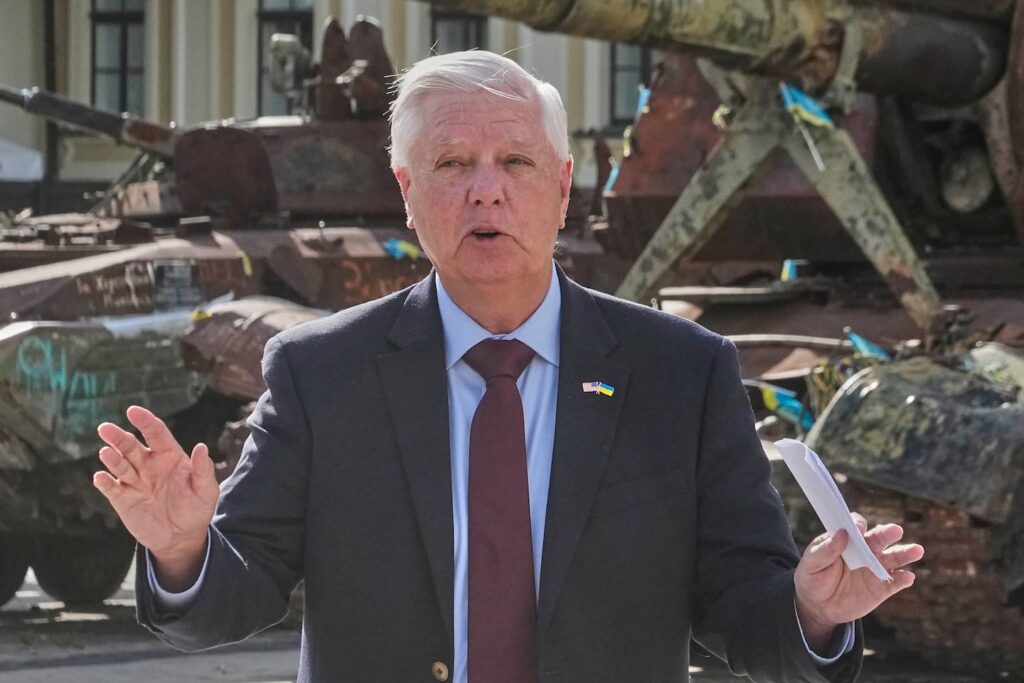
Sen. Lindsey Graham Dies at 71 After a Brief and Sudden Illness
A political career can feel permanent. Then it isn’t.
Sen. Lindsey Graham, the South Carolina Republican who became one of Washington’s best-known foreign-policy voices, died Saturday night at 71. His office said the cause was a “brief and sudden illness.” The news landed hard, and fast.
For people who followed Congress closely, the shock wasn’t only personal. It was structural. Graham had been in the Senate since 2003. He was up for another term. He was still in the middle of active political work.
And then, suddenly, the race, the seat, the alliances — all of it shifted.
What happened
Graham’s office confirmed the death early Sunday. The statement asked for privacy and thanked people for prayers. That part was short, and very human.
According to the report, emergency personnel responded to a call for “cardiac arrest” at his Capitol Hill home on Saturday night. EMS audio later indicated CPR was in progress. NBC News also reported that photographs from the scene showed paramedics carrying a person on a stretcher to an ambulance.
That detail changes the texture of the story. This wasn’t a long public decline. It sounded abrupt. Almost jarring.
A top staffer told NBC News there was “no indication” the senator had felt unwell beforehand. He had also been scheduled to appear on “Meet the Press” on Sunday. Small fact, big weight.

Why Graham mattered in Washington
Graham was never just another Senate Republican. He was a foreign-policy hawk, a defense voice, and one of the chamber’s most recognizable personalities.
He served in the House from 1995 to 2003, then won Strom Thurmond’s old Senate seat. That alone would have made him a figure. But he kept showing up in the national argument, decade after decade.
He pushed hard for aid to Ukraine. He pressed for a tougher line on Iran. He argued, often loudly, that American power still mattered.
He also had a knack for surviving political storms that would sink other people. That can be useful in politics. It can also be exhausting to watch.
Which brings up something I probably should have mentioned earlier—Graham was one of those rare senators who could move between policy, media, and personal loyalty without ever looking fully at home in just one lane.
A few key facts at a glance
| Topic | Details | Why it matters |
|---|---|---|
| Age | 71 | Ends a long Senate career mid-stream |
| Senate service | Elected in 2002, serving since 2003 | He was an established institutional player |
| Military service | 33 years total in Air Force, Reserve, and National Guard | Central to his public identity |
| Committee roles | Judiciary, Budget, senior foreign-policy voice | Showed his range inside the Senate |
| Immediate effect | South Carolina governor appoints temporary replacement | The seat is now open politically |
The alliances, and the friction
Graham’s relationship with Donald Trump was one of the stranger long-running stories in modern Republican politics.
He once said, during the 2016 primaries, “If we nominate Trump, we will get destroyed.” That quote aged in a very Washington way. Not neatly. Not badly either. Just oddly.
Later, he became one of Trump’s close allies in the Senate. Trump called him a “true American Patriot.” Graham, in turn, often defended the president while occasionally nudging him on foreign policy.
That back-and-forth mattered. A lot.
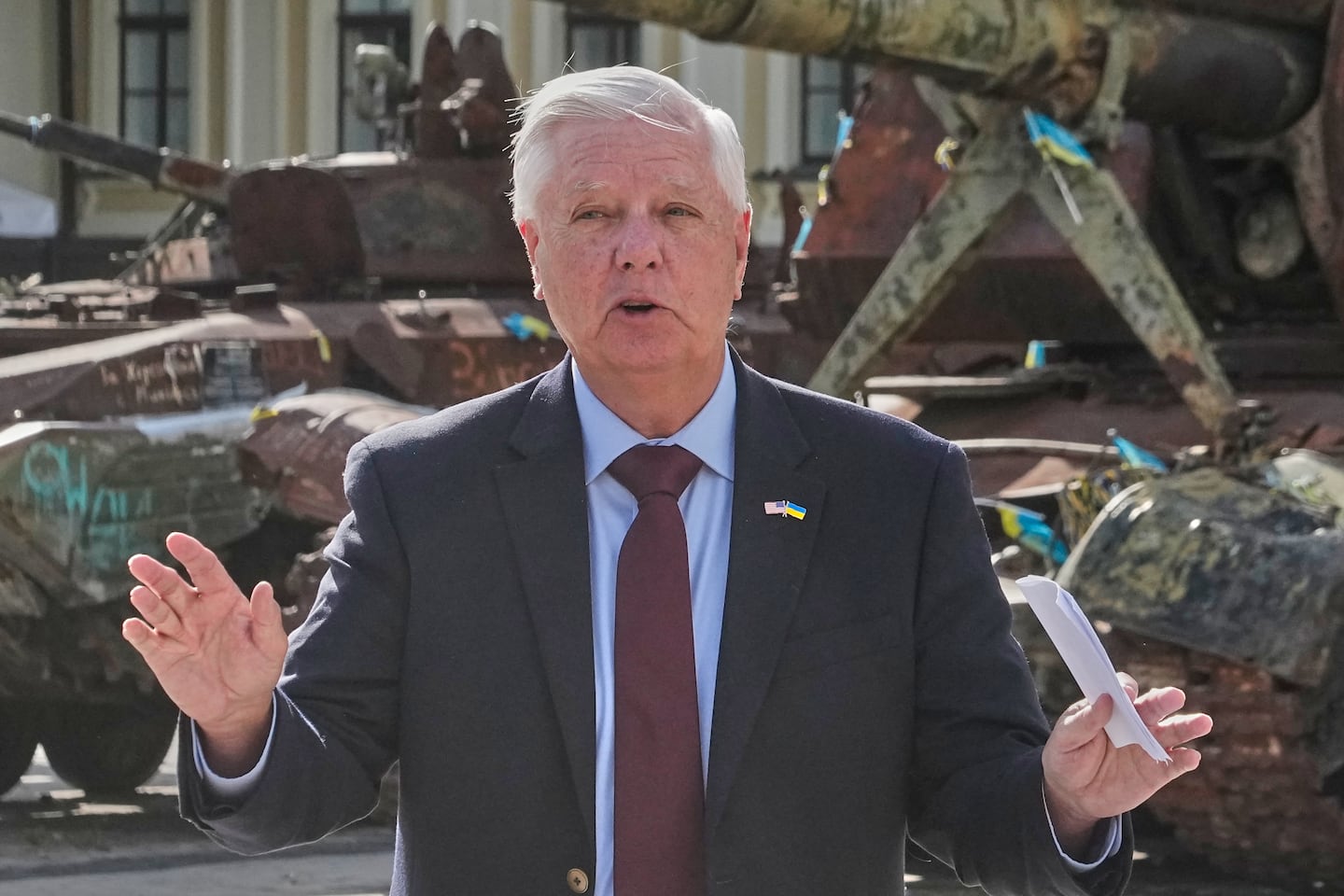
On Ukraine, Graham stayed remarkably consistent. He visited Kyiv multiple times during the war. Ukrainian President Volodymyr Zelenskyy called him “a true defender of freedom.” NATO Secretary-General Mark Rutte said Graham was “a powerful advocate for America.”

Tributes came quickly
The reaction from Washington was immediate.
Senate Majority Leader John Thune praised Graham as “a strong advocate for the United States and a strong ally to freedom-loving countries across the globe.”
South Carolina Gov. Henry McMaster called him “the fiercest of fighters for South Carolina and America.”
Former President George W. Bush said Graham “understood how the world works.”
That line feels fitting. Graham spent years arguing that the U.S. should stay engaged abroad, even when the political mood turned inward. He believed retreat carried a price. Sometimes he said it with polish. Sometimes he said it like a man slamming a coffee mug on a desk. Either way, people heard him.
A South Carolina Republican staffer, speaking on background in a local political conversation before the news cycle hardened, described Graham as “the kind of politician who could walk into a room angry and still leave it working.” That sounds about right.
The Senate fallout is immediate
Under South Carolina law, Gov. McMaster will appoint someone to fill the seat until Jan. 3 of next year. That is the immediate fix. But the bigger issue is the election timeline.
Graham had just won his primary in June and was seeking a fifth Senate term in November. Now South Carolina Republicans must find a new nominee. State election rules point toward a special primary by Aug. 11.
That is not a small administrative issue. It is a scramble.
Campaign staff, donors, party leaders, and voters all get thrown into motion at once. There’s no clean pause button. There never is.
The personal side, which can’t really be skipped
Graham grew up in Central, South Carolina, where his parents ran a restaurant and pool hall. He was the first in his family to go to college. He earned a law degree from the University of South Carolina. Then came the Air Force.
He served for 33 years across active and reserve roles, retiring as a colonel in 2015.
That background explained a lot of his public posture. The military frame. The discipline. The sense that the world was a hard place and needed hard answers.

Why his death hits beyond South Carolina
Graham’s death matters because he was one of the last senators who could still make hawkish internationalism sound like a live political argument.
Not everyone agreed with him. Plenty didn’t. But he had reach. He had stamina. He had a place in the room when the room was deciding things.
That’s rare now.
And yes, there’s the practical side. A Senate seat is now vacant. A nomination fight is coming. A governor will appoint someone. Another campaign will restart. Politics, annoyingly, keeps going.
But the larger story is simpler. A long, messy, very public career ended in a sudden way. Folks in Washington hate that kind of abruptness. It leaves loose ends.
Graham leaves plenty of them.
He also leaves a record that’s hard to flatten into one line. Friend to Trump. Critic of Trump. War hawk. Deal-maker. Senate institution guy. Cable-news regular. Air Force colonel. South Carolina son.
That mix was the point. Or maybe the problem. Depends on who you ask.
