

Josh Grisetti, Broadway Performer and Cal State Fullerton Professor, Dies at 44
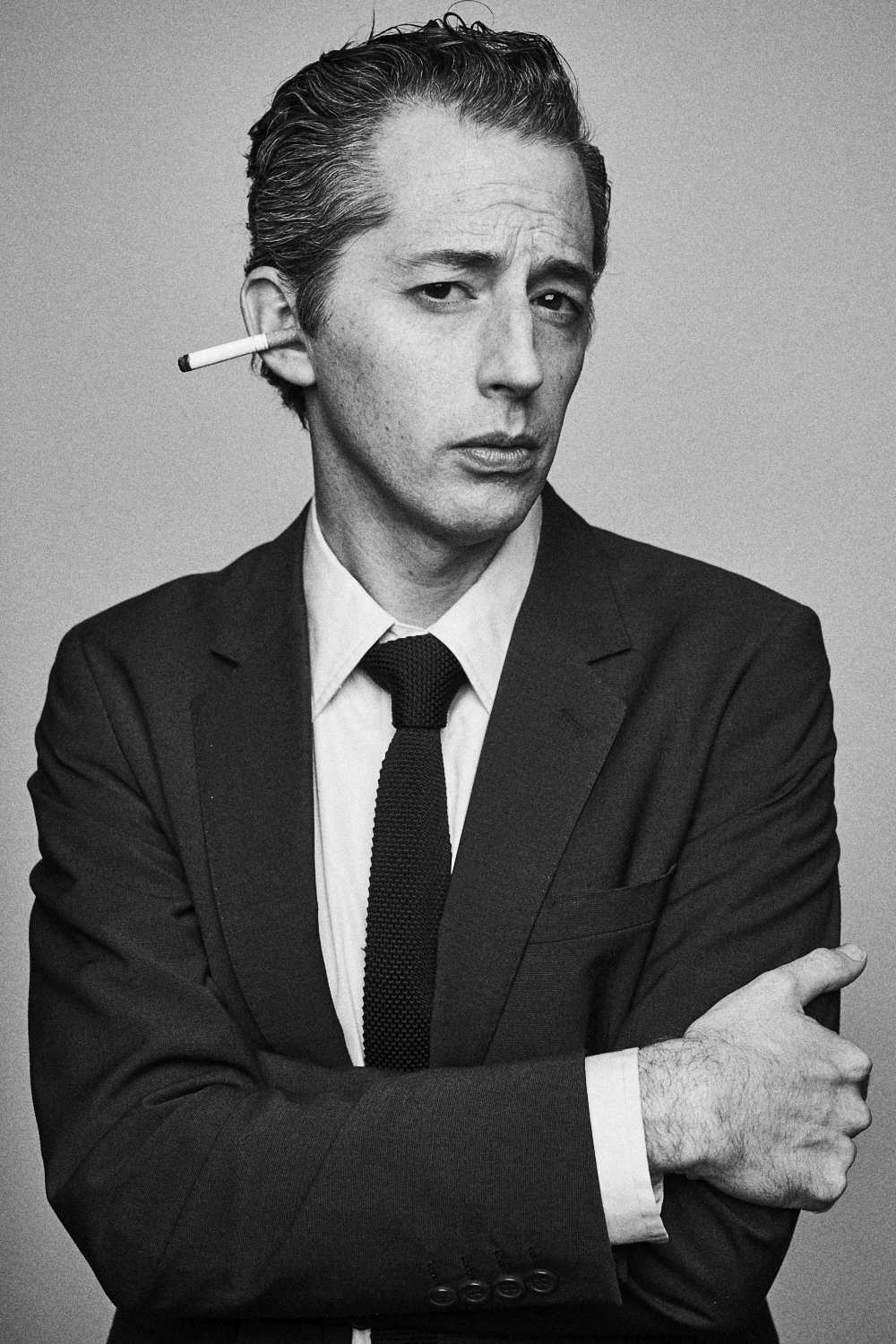
The theater world lost someone many people genuinely adored. Josh Grisetti, known for his buoyant comic timing, warm stage presence, and later his work as a teacher, has died at 44.
That sentence lands hard.
For a lot of Broadway folks, Grisetti wasn’t just “another talented actor.” He was one of those performers who could make a room feel lighter without seeming like he was trying too hard. Then later, in classrooms and rehearsal spaces, he became the kind of professor students don’t forget.

Reports shared publicly by friends helped shape the first wave of confirmation. A widely cited account described that, according to social media posts from friends Rob McClure and Sierra Boggess, Grisetti took his own life on the morning of Friday, July 10. The same account noted that he had recently stepped away from directing Legally Blonde at the Trentino Music Festival for personal reasons.
A quick pause here, because it matters: some details remain limited to public posts and secondary reporting. That means there are still edges we don’t know. And honestly, we don’t need every private detail to understand the scale of the loss.
Why Josh Grisetti mattered
If you only knew Grisetti from cast lists, you’d miss half the picture. Maybe more than half.
He built a reputation as a gifted comic actor long before many casual theater fans learned his name. A genius comedic actor, Grisetti came to New York’s attention in the York Theatre Company’s 2008 production of Enter Laughing, earning a Theatre World Award and several major nominations.
That run matters because it showed what his fans kept saying for years: he wasn’t simply funny. He was precise. Comedy on stage can look loose and spontaneous. Usually it isn’t. Timing like that takes frightening control.
I’ve watched enough musical theater performances over the years to know this difference. Some actors “push” for laughs. Grisetti, from all accounts and clips many theater followers remember, seemed to invite laughs instead. Softer touch. Better result.
A career that nearly broke one way, then did
His Broadway story wasn’t exactly straight. Careers rarely are, even when bios tidy them up.
He was originally slated to make his Broadway debut as Eugene Jerome in Broadway Bound before that production was canceled. His actual Broadway debut came later, in 2015, as Marty Kaufman in It Shoulda Been You. That performance brought Outer Critics Circle and Drama Desk nominations, plus a Clarence Derwent Award. He later returned to Broadway as Nigel Bottom in Something Rotten! and also played the role on tour.
There’s a lesson in that sequence, though it feels almost too neat to say out loud. A canceled debut could derail a performer emotionally and professionally. For Grisetti, it didn’t end the story. It delayed it.
Not a small thing.
Key milestones at a glance
| Year / Period | Role or Work | Place | Highlight | Constraint or limitation |
|---|---|---|---|---|
| 2008 | Enter Laughing | York Theatre Company, New York | Breakout attention, Theatre World Award, major nominations | Off-Broadway visibility can still leave actors underrecognized by mainstream audiences |
| 2015 | Marty Kaufman in It Shoulda Been You | Broadway | Broadway debut, award recognition | Short Broadway runs often limit how widely a performance is seen |
| Later run / tour period | Nigel Bottom in Something Rotten! | Broadway and tour | Expanded fan base through a beloved comic role | Touring life is demanding and less stable than long-running home-base work |
| Recent years | Associate professor and BFA Musical Theatre program head | Cal State Fullerton | Deep influence on students and training | Academic leadership can be rewarding, but it also brings heavy administrative strain |
More than Broadway credits
His résumé was broad, and that word gets overused, so let me be specific. His extensive credits also included Peter and the Starcatcher, Rent, Red Eye of Love, Candida, and After the Ball. He also worked at major regional theaters including the Muny, the Kennedy Center, Goodspeed Musicals, Williamstown Theatre Festival, Ogunquit Playhouse, and others.
That kind of career says something real. Not celebrity, exactly. Durability.
Regional theater, by the way, is where many of the best American stage artists prove themselves over and over. Different cities. Different directors. Different budgets. Little margin for coasting. Which brings up something I probably should have mentioned earlier—when actors are repeatedly welcomed back by respected theaters, that’s usually a quiet vote of confidence from the industry itself.
The professor his students remember
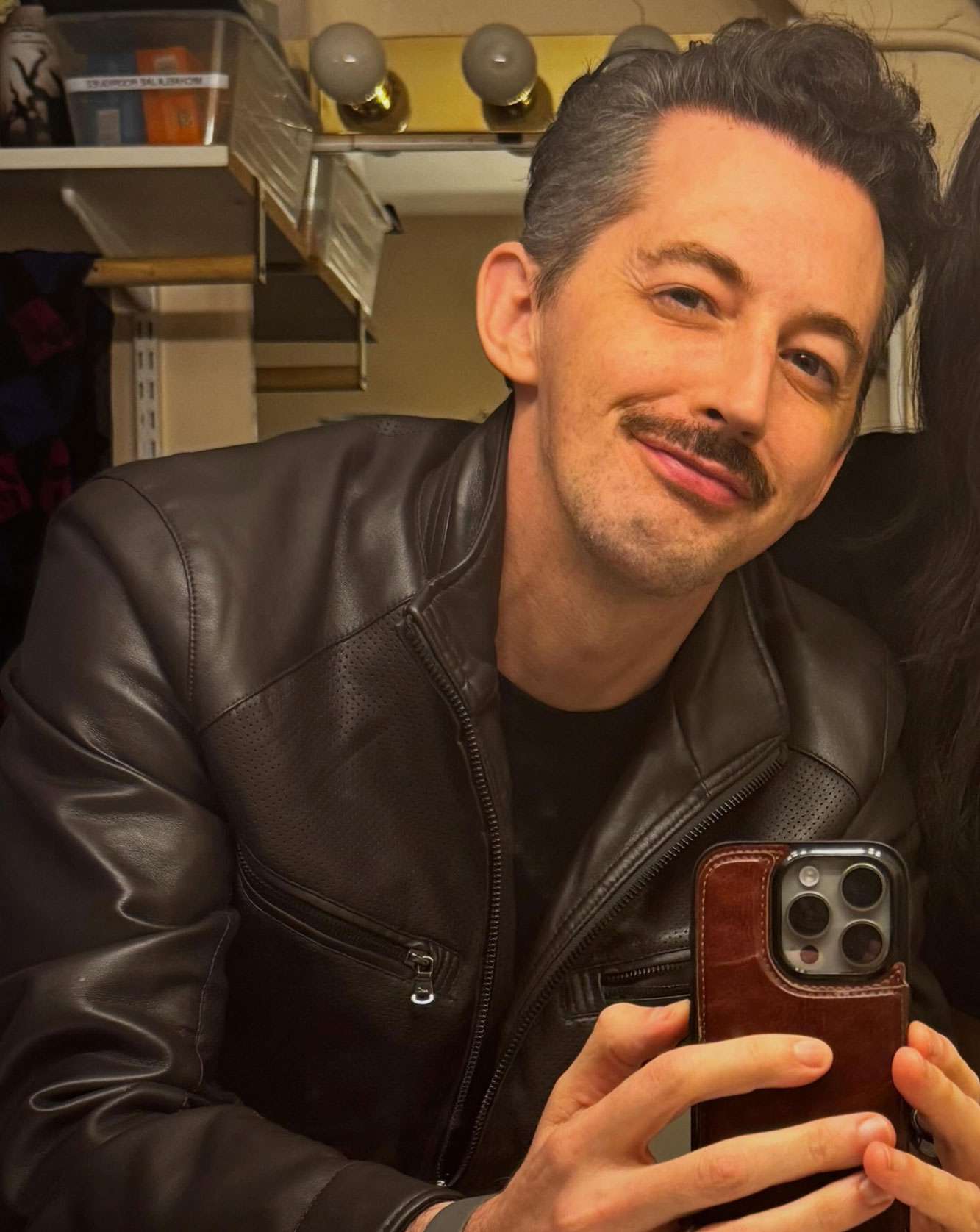
In recent years, Grisetti had shifted much of his energy toward teaching. He served as associate professor and head of the BFA Musical Theatre program at California State University, Fullerton. He had also taught auditioning, acting, musical theatre technique, scene study, and the business side of theater at other schools.
That last part sticks with me. The business side.
A lot of performers can teach songs. Fewer can teach survival.
One former student, Emily R., who attended a public masterclass he led in Southern California, put it this way: “Professor Grisetti never sold us fantasy. He’d tell us when a cut wasn’t working, then show us how to fix it without making us feel small.”
That feels believable because it’s so unglamorous. Useful teaching usually is.
Still, even great teachers work inside constraints. University programs face budget pressure, casting limitations, and the awkward push-pull between art training and employability. Anyone leading a BFA program carries more than applause. They carry emails, staffing, calendars, parents, and probably a headache by Thursday.
Training, discipline, and the long road behind the smile
Grisetti graduated from the Boston Conservatory with a BFA in Musical Theatre, later completed an MFA in Theatre Pedagogy at Loyola Marymount University, and had also studied drama at the University of North Carolina School of the Arts.
So no, this wasn’t a performer who drifted into teaching because he was done performing. That reading would be lazy. He trained for both. He built for both.
A theatergoer I spoke with a few years back after seeing a touring comedy-musical revival—not Grisetti in that case, but the point still holds—said the actors who really connect are often the ones who understand structure, not just charisma. Grisetti seems to have had both. Charisma, yes. Technique too.
Actually, wait. Maybe “technique” sounds cold. Craft is better.
What his death means to the theater community
There’s always a risk, in writing after someone dies, of sanding down the person into pure admiration. Real lives aren’t that tidy. Public records don’t tell us everything. Tributes don’t either.
But some truths are plain enough. Josh Grisetti left a mark as a performer. He left another as a mentor. And those two legacies feed each other.
His survivors include his wife, Mackenzie. That fact, simple as it is, brings the whole thing back from résumé to human life.
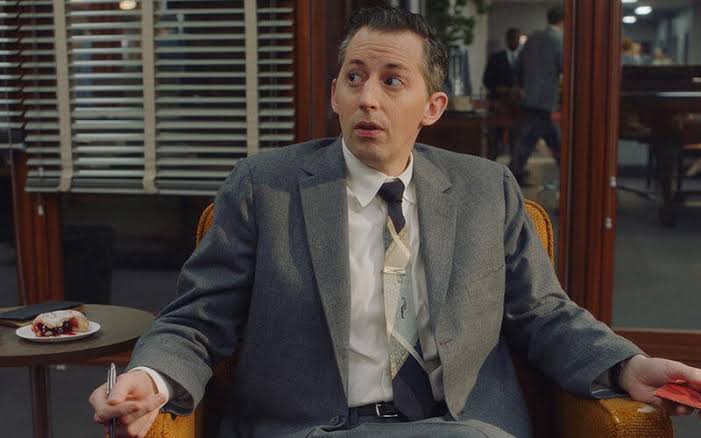
One audience member, Daniel M., remembered seeing Grisetti in a comic role and said, “You could feel him listening onstage. That’s why the jokes landed.” I like that quote because it doesn’t sound polished. It sounds observed.
And maybe that’s the right note to end on. Not myth. Not flattening praise. Just an honest acknowledgment that he made people laugh, helped students grow, and earned respect in very hard rooms.
If you or someone you know is struggling with suicidal thoughts, please contact your local emergency services or a suicide crisis hotline in your country right away. In the U.S., you can call or text 988 for immediate support.
