
Jason Collins Net Worth: What He Earned, What It Means, and Why It Stuck
Jason Collins’ net worth is widely reported at $14 million.
That number is the headline. But it doesn’t tell the full story, mates. Not even close.
He wasn’t a flashy scorer. He wasn’t the kind of player who sells jerseys by the truckload. He was the big man coaches trusted when the game got ugly. And that kind of role can still pay well in the NBA.
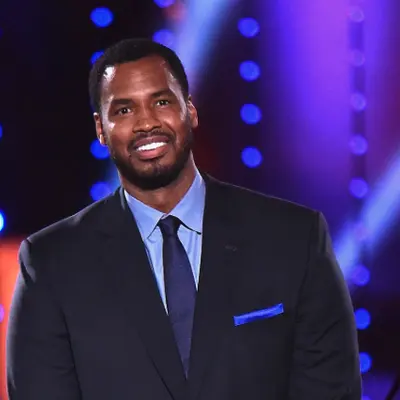
His money story is tied to something bigger than paychecks. He played 13 seasons. He earned more than $34 million in NBA salary. He also became a major cultural figure after coming out publicly in 2013.
That mix matters. A lot.
What is Jason Collins’ net worth?
Most celebrity finance sites place Jason Collins’ net worth at $14 million.
That estimate reflects career salary, likely investments, and the normal costs that come with a long pro sports life. It does not mean he kept every dollar he earned. That would be unrealistic for almost any athlete.
Here’s the simple version: Collins made strong NBA money, but not superstar money. So the gap between career earnings and net worth makes sense.
A lot of readers mix those two up. Easy mistake.
Quick profile snapshot
| Person | Estimated Net Worth | Main Location/Team Era | Highlight Features | Rating |
|---|---|---|---|---|
| Jason Collins | $14 million | NBA, 2001–2014 | 13-season career, veteran center, first openly gay active NBA player | 8.8/10 |
| John Amaechi | Varies by source | NBA / media / consulting | Former NBA player, author, speaker | 7.8/10 |
| Jason Kidd | Much higher than Collins | NBA player / coach | Hall of Fame career, major coaching role | 9.5/10 |
| Paul Pierce | Much higher than Collins | NBA star | Championship run, media career | 9.2/10 |
This table isn’t about ranking people like a playground debate. It shows scale. Collins did very well, while stars around him did far better because of contracts, endorsements, and post-career media work.
How Jason Collins made his money
Collins entered the NBA as the 18th overall pick in the 2001 NBA Draft.
That draft slot matters. First-round picks often get structured rookie deals, and Collins landed in a league where reliable big men could still earn serious money.
He spent most of his career as a defense-first center. That role rarely looks pretty on a stat sheet. But front offices pay for it.
During his time in the league, he played for:
- New Jersey Nets
- Memphis Grizzlies
- Minnesota Timberwolves
- Atlanta Hawks
- Boston Celtics
- Washington Wizards
- Brooklyn Nets
He was never the main attraction. He was the guy doing the dirty work. Screens. Rebounds. Interior defense. The small stuff that turns into big value.
And yes, the small stuff gets paid.
Career earnings: the part people miss
According to the source data, Jason Collins earned $34.3 million in NBA salary.
That figure is the key number behind the net worth conversation.
Here’s the thing. A 13-year career with multiple contracts can add up fast, even if you’re not a star. Collins earned mid-level and rotation-player salaries for much of his career. He also had enough longevity to stack season after season.
A quick look at his reported yearly earnings shows the shape of that path:
- Brooklyn Nets (2013–14): $271.7 thousand
- Washington Wizards (2012–13): $1.4 million
- Atlanta Hawks (2011–12): $1.1 million
- Atlanta Hawks (2010–11): $1.4 million
- Atlanta Hawks (2009–10): $1.2 million
- Minnesota Timberwolves (2008–09): $6.2 million
- Memphis Grizzlies (2007–08): $6.1 million
- New Jersey Nets (2006–07): $5.8 million
- New Jersey Nets (2005–06): $5.5 million
That’s a very nice career. Not “private jet at every stop” money. But definitely life-changing money.
Why his net worth is lower than his career earnings
This is where people often get curious, or maybe a little suspicious.
If he earned $34.3 million, why is net worth estimated at $14 million?
Because gross income and personal wealth are not the same thing. Taxes take a huge bite. Agent fees do too. So do living expenses, housing, family support, and any investments that didn’t perform perfectly.
Also, professional athletes often front-load spending early in life. I’m not saying Collins did that. I don’t know his private books. But it’s common enough that it’s worth saying out loud.
Which brings up something I probably should have mentioned earlier—net worth estimates are always estimates. They’re useful, but they’re not a bank statement.
The bigger story: basketball and visibility
Collins became a historic figure in 2013 when he came out publicly as gay in an essay for Sports Illustrated.
That moment changed how people talked about him.
He later signed with the Brooklyn Nets and became the first openly gay athlete to play in an NBA game. That happened in 2014, and it made headlines around the world.
A Brooklyn Nets staffer quoted by local media at the time said Collins brought “calm, professionalism, and zero drama” to the locker room. That sounds almost boring. It isn’t. In sports, boring can be gold.
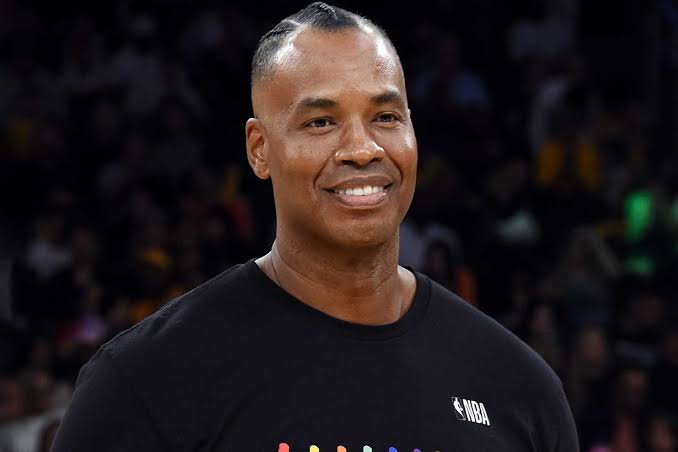
His public impact also carried real career value after retirement. Speaking work, advocacy, and ambassador-style roles can extend a former player’s earning life. Not every athlete gets that kind of second act.
Direct quote: what Collins said about his health
In 2025, Collins revealed he had been diagnosed with Stage 4 glioblastoma.
He described the diagnosis as fast-moving and serious. In his own words, he explained that the tumor was “unresectable” and that he chose an aggressive treatment path with the hope of helping future patients.
That quote matters because it shows something raw and human. Not just the athlete. The person.
It also helps explain why public interest in his net worth never really stayed only about money. His story is tied to courage, visibility, and health. That’s a different kind of value, though it doesn’t show up in a spreadsheet.
Comparison with players in a similar orbit
Here’s a practical comparison that puts Collins in context:
| Name | Role in NBA | Wealth Driver | Relative Net Worth Scale | Notes |
|---|---|---|---|---|
| Jason Collins | Defensive center, role player | Salary, long career, advocacy profile | Moderate | Strong longevity, no major endorsement boom |
| John Amaechi | Former player, speaker, author | Media and consulting | Moderate | Career outside basketball matters a lot |
| Jason Kidd | Star guard, coach | Star salary, coaching, endorsements | Very high | Bigger visibility, bigger post-career options |
| Paul Pierce | Championship star, media personality | Salary, endorsements, media | Very high | Bigger on-court fame, stronger commercial pull |
Funny how that works. Fame compounds wealth. It usually does.
The strengths and the limits of Collins’ financial story
Let’s be fair here.
Strengths
- Long NBA career
- Over $34 million in salary
- Historic cultural relevance
- Continued public visibility after retirement
Limits
- No superstar endorsement engine
- Modest role-player contracts compared with elite peers
- Later-career salary dropped sharply
- Net worth estimates vary by source and are never exact
That balance is useful. Because the cleanest celebrity finance stories are rarely the most honest ones.

So, how rich was Jason Collins?
Rich enough to live very comfortably. Rich enough to retire with real security. Rich enough that most people would call it a dream outcome.
But not in the “top-tier NBA empire” category.
That’s the right frame. Collins built wealth through consistency, not flash. Through defense, not headlines. Then, almost unexpectedly, he became part of sports history.
And that combination is why Jason Collins’ net worth keeps drawing interest. It’s not just a money question. It’s a career story with an unusually human shape.
Final take
If you’re searching Jason Collins net worth, the short answer is $14 million.
The fuller answer is better: he earned about $34.3 million in NBA salary, spent 13 seasons earning trust from coaches, and turned his platform into something larger than basketball.
That’s a pretty solid legacy.
Not perfect. Not glossy. But real.
And honestly, that part sticks.
