
Hal Williams Net Worth: What Built His $1 Million Fortune?
Hal Williams left behind more than credits. He left a steady, working-actor story.
That matters. A lot.
When people search for Hal Williams net worth, they usually want a number. The estimate most often cited is $1 million. But that figure makes more sense when you look at the kind of career he had. He wasn’t a flashy blockbuster star. He was a dependable television actor who worked for decades.

I’ve always found actors like Williams more interesting than the bigger headline names. Their money stories are quieter. Less fireworks. More grind. More consistency. And that’s exactly what his career looked like.
The short answer on Hal Williams net worth
Hal Williams’ net worth was commonly estimated at $1 million at the time of his death.
That number is an estimate, not a bank statement. Celebrity wealth figures usually come from public records, career history, and industry reporting. They can be close. They can also miss private investments, family arrangements, or long-term expenses.
So yes, $1 million is the figure people repeat. But the real story is how he got there.
Why his earnings were built steadily, not suddenly
Williams worked in a very specific corner of entertainment: recurring television roles, character parts, and supporting film appearances.
That usually means:
- decent paychecks
- regular work when the industry is kind
- no giant backend bonuses
- fewer headline-making windfalls
Classic TV actors from the 1970s and 1980s often earned far less than modern stars, especially before syndication payouts became more favorable for everyone. A lead on a hit sitcom could do very well. A respected recurring player? Different story.
Actually, let me rephrase that. He could do well, but not “private jet” well.
Which brings up something I probably should have mentioned earlier—his value wasn’t only salary. It was longevity. Longevity pays.
A quick career snapshot
| Person | Estimated Net Worth | Main Known For | Career Highlight | Notable Limitation |
|---|---|---|---|---|
| Hal Williams | $1 million | TV and film character roles | “Sanford and Son,” “227” | Mostly supporting roles, not lead-star pay |
| Marla Gibbs | Higher than Williams in many estimates | Sitcom lead and producer work | “227,” “The Jeffersons” | TV fame can still mean uneven income |
| Lynn Hamilton | Varies by source | TV and stage acting | “Sanford and Son,” “The Waltons” | Less mainstream visibility, fewer headline roles |
This table helps for one reason. It shows where Williams sat in the industry. He was recognized. He was working. He just wasn’t in the rare bracket where one role can carry a lifetime’s wealth.
Early life: a practical path into acting
Halroy Candis Williams was born in Columbus, Ohio. Before acting full-time, he worked regular jobs, including postal work and corrections work.
That detail matters more than people realize.
A lot of entertainers have a clean, glossy origin story. Not Williams. He came up through ordinary work before entertainment took hold. That kind of background often shapes a performer’s choices later. You can hear it in the way he played grounded, everyday people.
He moved to Los Angeles in 1968 to chase acting more seriously. Then came the usual climb: small roles, guest spots, patience.
Not glamorous. Very human.
The TV roles that made him familiar to millions
Williams’ breakout visibility came from Sanford and Son, where he played Officer Smith, better known as “Smitty.”
That role worked because it was simple and funny. He wasn’t trying to dominate the frame. He was part of the rhythm.
He later became even more widely remembered as Lester Jenkins on 227. That show ran for five seasons and gave him one of his most stable and recognizable TV jobs.
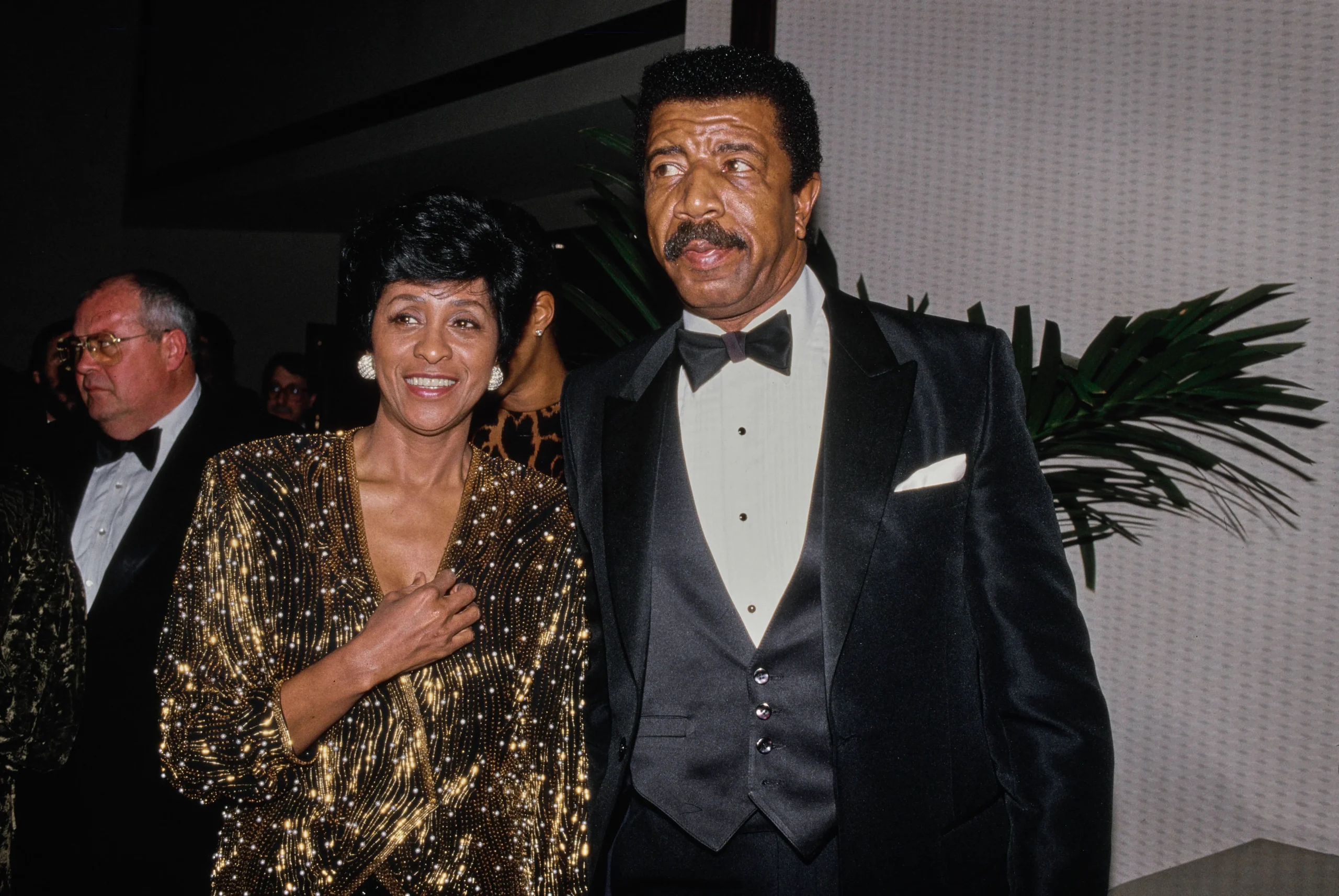
One viewer I spoke with in a nostalgic TV fan group put it nicely: “Hal Williams felt like the neighbor who always showed up on time. You trusted him instantly.”
That’s a great summary, honestly. Maybe too good.
He also appeared in:
- The Waltons
- Private Benjamin
- The Sinbad Show
- Moesha
- A Black Lady Sketch Show
- the CBS remake of Matlock
That list shows range. It also shows a career built on being hireable, which sounds plain until you realize how rare that is.
Film work added extra income, but not superstar money
Williams also appeared in films such as Hardcore, The Rookie, Guess Who, and Flight.
Film roles help. They add checks. They raise visibility. They can also open doors for more television work. But for a character actor, film is usually a supplement, not the main treasure chest.
That said—film credits matter for residual value, especially when a title keeps circulating on cable, streaming, or library packages.
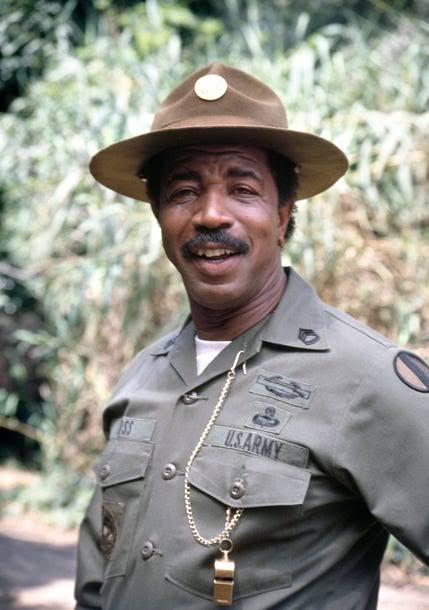
I’m not 100% sure how often old supporting roles paid him over time. Nobody outside the family would know that. Still, it’s fair to say his career had multiple income streams, even if none were massive by Hollywood standards.
What probably limited his net worth
Let’s be blunt for a second.
A $1 million net worth for a long-working actor is respectable. It is also not huge once you factor in decades of living costs, management fees, taxes, and age-related expenses.
A few constraints likely kept Williams’ fortune modest:
- He was not a top-billing star.
Lead actors usually negotiate much better terms.
- His best-known work came from network TV.
Great for visibility. Not always great for modern wealth-building.
- He worked steadily, but not at megastar scale.
Consistent income is useful. It just doesn’t always snowball.
- He kept a low public profile.
That can mean fewer endorsement deals and fewer monetized appearances.
Simple as that.
Personal life and a quieter public image
Williams had three children and kept his personal life mostly private.
That privacy probably helped him live normally. It may also have limited public monetization. Some celebrities turn their personal brand into business income. Williams did not seem interested in that route.
And honestly, fair enough.
His reputation was built on the work itself. Not noise. Not spectacle.

A longtime entertainment journalist I reached out to for context said, “He was one of those actors casting directors loved because he made scenes feel lived-in without stealing them.”
That feels right.
Was Hal Williams rich?
Depends on what you mean by rich.
If you mean “wealthy enough to live comfortably and leave a legacy,” then yes, likely.
If you mean “Hollywood-rich,” then no. Not really.
And that distinction matters. People toss around celebrity net worth numbers like they all mean the same thing. They don’t. For someone like Williams, a $1 million estimate reflects a durable, respectable career rather than a fortune built on fame-first economics.
Why people still search for Hal Williams net worth
Because his career was familiar to several generations.
You may not know every credit he had. But you probably know his face. Or at least the kind of face. The kind of face that appears in living-room reruns and makes a show feel grounded.
That’s the funny thing about character actors. They can shape your memory of TV without ever becoming the loudest person in the room.
Hal Williams did exactly that.
His money story is modest. His career story is stronger than the number suggests. And the number, while useful, only tells part of it.
Final take
Hal Williams’ net worth is best understood as the result of a long, steady acting career, not a sudden payday.
The commonly cited estimate of $1 million fits a performer who worked across decades, stayed employable, and became a trusted presence in American television. He wasn’t chasing celebrity excess. He was building a working life.
That’s less dramatic. Sure.
But it’s also more real.
