
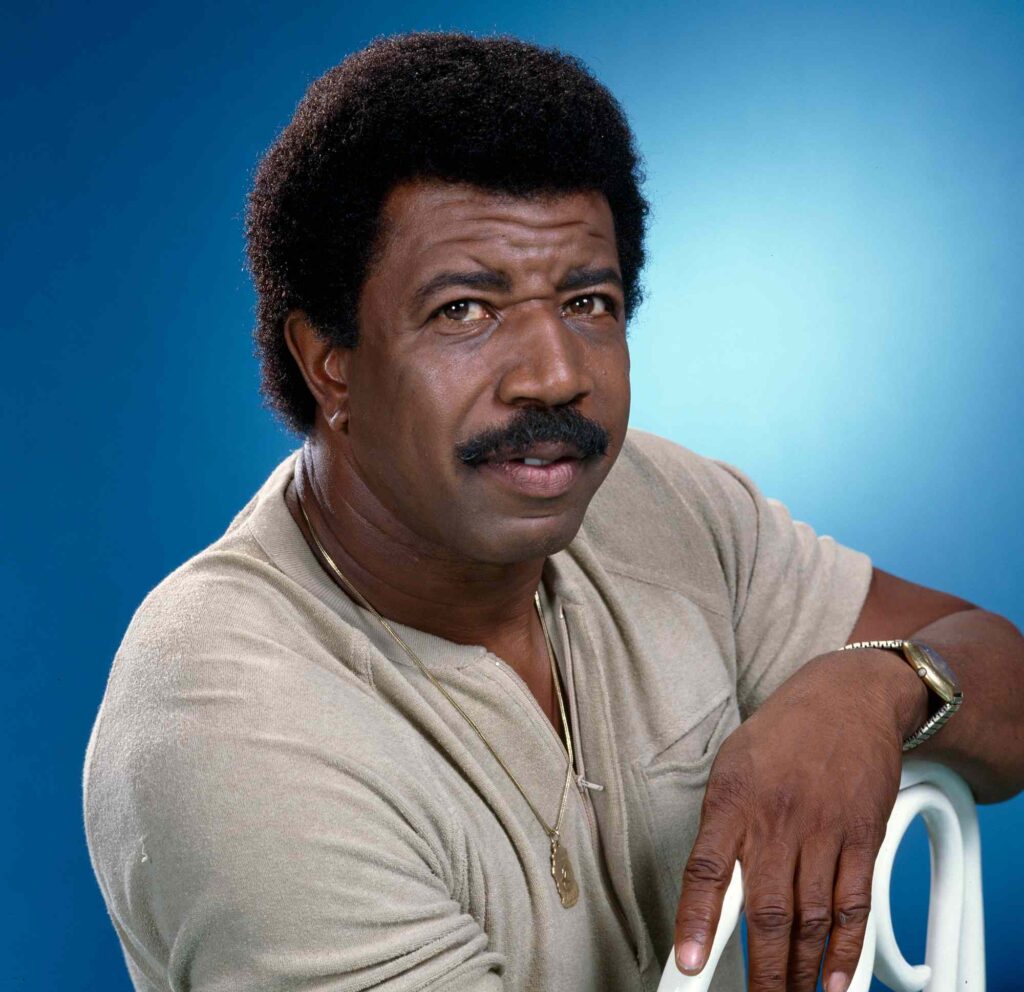
Hal Williams Dies at 91: Remembering the ‘Sanford and Son’ Cop and ‘227’ Co-Star
Hal Williams has died at the age of 91.
That headline hits hard, honestly.
Not because it’s shocking.
Because Williams was one of those actors who felt permanently there.
He wasn’t always the loudest person on screen.
That was part of the magic.
He anchored scenes.
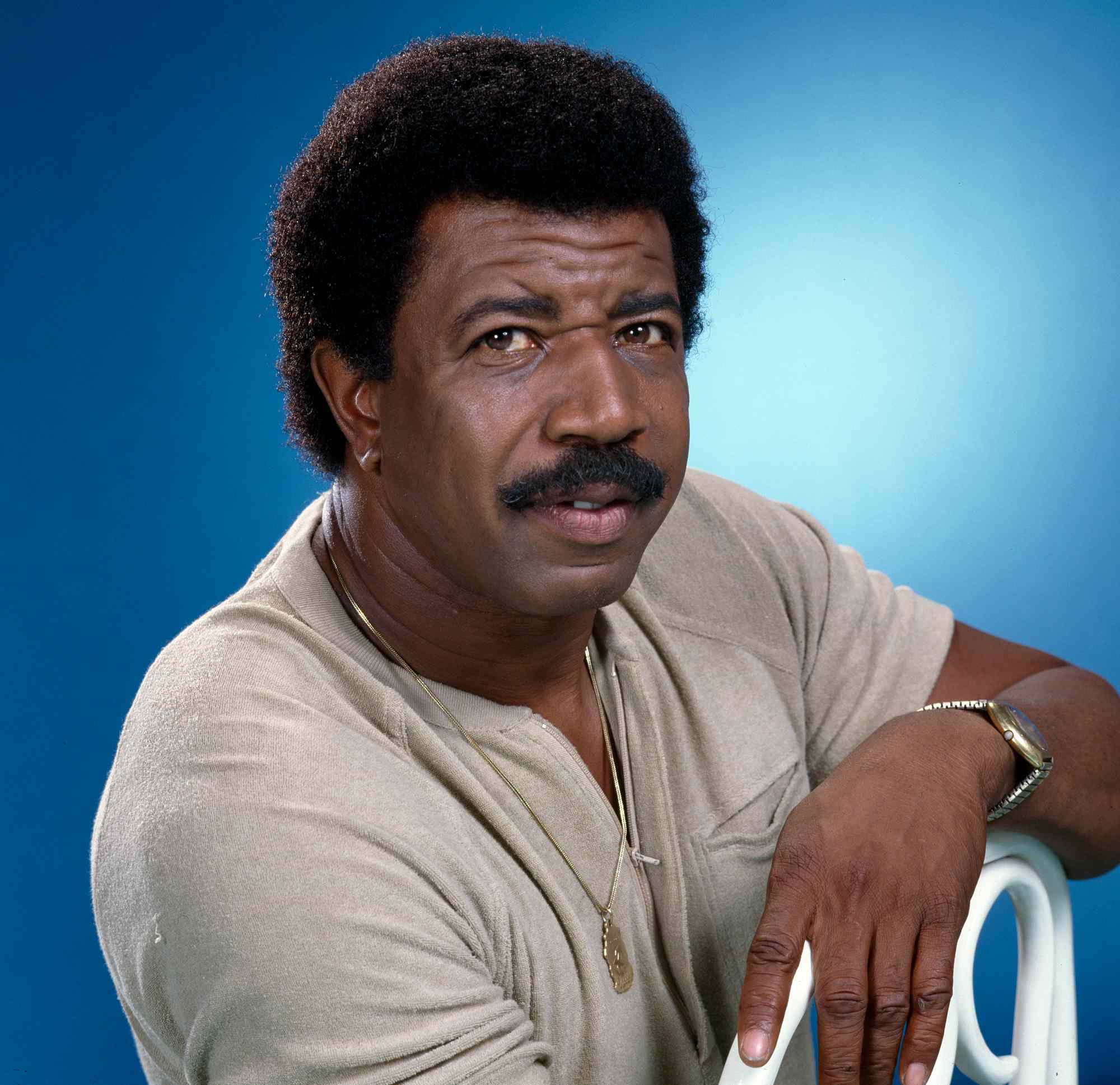
A representative for Williams told Deadline that the actor died on the morning on Wednesday, July 15, at his home in Rancho Mirage, California.
And PEOPLE has reached out to a representative for Williams for comment.
A late start, then a long run
Williams, who was born Halroy Candis Williams, was born in Columbus, Ohio, in 1938. Though he would not pursue acting until his 30s, he loved playing pretend at a young age.
That early spark mattered.
So did the long road.
As a boy, he said he was not allowed to leave the yard much and played make-believe with a dog named Sandy.
That quote is lovely.
A little funny too.
Before acting, he worked as a social worker, corrections officer and postal worker, but by 1968, with his marriage failing, he decided to head west to Los Angeles.
“I sat down after getting divorced and said, ‘What do I really want to try to do before the maker comes and gets me?’ And it was acting. So, I took the plunge and drove to California in 48 hours,” he told Get TV. “I gave myself three years.”
Which brings up something I probably should have mentioned earlier—
that move sounds risky, but it worked out in a very plain, stubborn way.
The roles people remember
He got there.
And then he kept showing up.
And he made it work. In 1972, he was cast as Officer ‘Smitty’ Smith on Sanford and Son. He appeared in 20 episodes of the beloved sitcom. His character, a police officer, was paired up with Howard Platt’s Officer “Hoppy” Hopkins, who was White and often the butt of the joke.
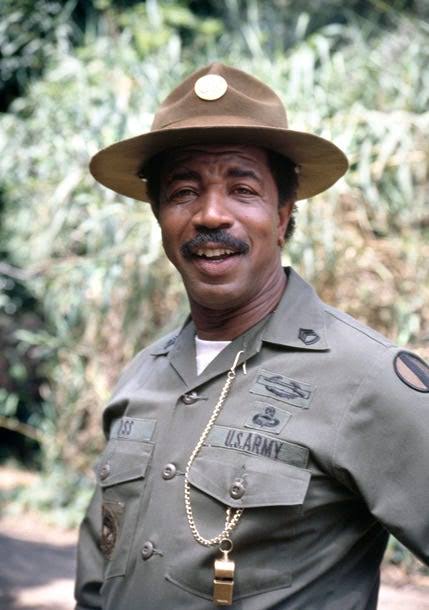
There was a real spark in that pairing.
And, yes, the writing helped.
But Williams brought warmth and rhythm.
“They used to tell us they didn’t have anything to do that week and to go make up some lines,” Williams reminisced about the show in a 2022 interview with Tell-Tale TV. “So I would go with Howard to a hot dog joint or a hamburger place. And we sit in the parking lot. He would want to know how to incorporate Black slang, Black jargon, and stuff.” They’d take what they came up with back to the producers, who’d incorporate it into their scenes. “That was a fun show,” Williams added.
That story says a lot.
He was not just present.
He was contributing.
More than one show, no matter what people assumed
He was also cast on the drama series The Waltons as Harley Foster and on the shorter-lived 1975–76 ABC sitcom On the Rocks; since they were recurring roles, he could balance them at the same time. Later, Williams appeared in the 1980 film Private Benjamin, as well as on the sitcom it inspired, which aired from 1981 to 1983.
Here’s the part that gets missed a lot.
Williams had range.
Plain and simple.
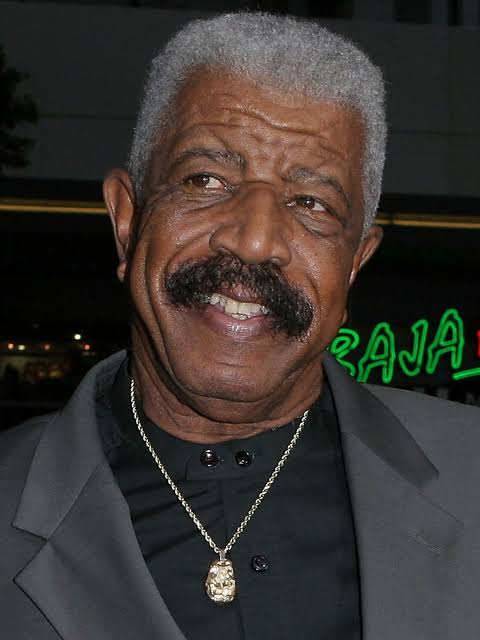
Then in 1985, he was cast alongside Marla Gibbs on 227, a sitcom about the residents of an apartment building in Washington, DC. A young Regina King played their daughter in her first TV role. The show also starred Jackée Harry as Sandra, their younger neighbor. Williams’s character initially didn’t exist, but Gibbs didn’t want to play a single mother.
“It was a family show that anybody could watch across all color lines,” Williams remembered in a 2011 issue of Entertainment Weekly.
That line feels old-fashioned in a good way.
Universal, but not vague.
The type of actor TV loved
Williams never disappeared.
He just kept moving.
Other roles for Williams included appearances on The Sinbad Show, Moesha and A Black Lady Sketch Show. He also appeared in a handful of films, including 1979’s Hardcore, 1990’s The Rookie and 2012’s Flight.
He understood something a lot of actors learn the hard way.
Fame can flatten people.
Typecasting does that too.
Those shows have proven to be my detriment at times,” Williams admitted to Antenna TV in 2019. “People don’t realize that I’m a serious actor. . . . I’ve always tried to keep a foot in both camps, but
That quote feels painfully human.
Funny roles can help a career.
They can also box it in.
Williams shared three children with his first wife. it’s hard to fight the pigeonholing that goes on. But in all those comedies, you have to remember one thing. I wasn’t the funny guy. I was the straight guy in all the madness.
And then there’s this one, which feels like his own career philosophy:
Looking back on his long career, he told Columbus Monthly, “I’ve prided myself on choosing a profession where you don’t have to stop working. You just get older as you work.”
That’s almost too perfect.
Not inspirational-poster perfect.
Just real.
Quick comparison of Williams’s best-known TV work
| Project | Approx. period | Notable role | Why it mattered | Limitation / drawback | Rating |
|---|---|---|---|---|---|
| Sanford and Son | 1972–1977 | Officer Smitty Smith | Breakout recurring role; sharp comic timing | Role sometimes got overshadowed by the show’s bigger personalities | 9/10 |
| 227 | 1985–1990 | Lester Jenkins | Helped define the family dynamic | His character began as an addition, not the original plan | 8.5/10 |
| The Waltons | 1970s | Harley Foster | Showed his dramatic side | Less instantly remembered than his sitcom work | 8/10 |
| Private Benjamin / related TV spin-off | 1980s | Supporting presence | Kept him visible in another hit franchise | Shorter screen time than fans might want | 7.5/10 |
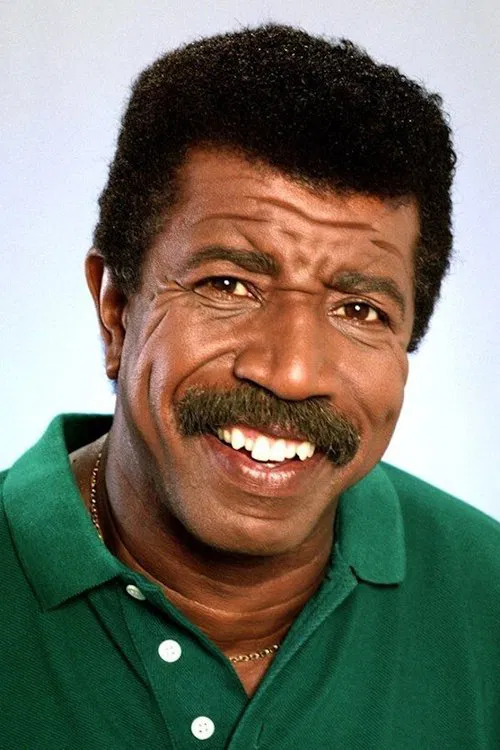
Why Hal Williams still matters
A lot of TV actors get remembered for one thing.
Williams got remembered for several.
He was the cop in “Sanford and Son.”
He was the family man in “227.”
He was the steady face who made other people’s comedy land.
That’s not small.
Not even a little.
And if you grew up watching classic TV, you probably know the feeling.
You see a face like his, and the memory arrives before the name does.
That’s a real kind of legacy.
Hal Williams didn’t just appear in television history.
He helped hold it together, scene by scene.
