

Bonnie Tyler dies at 75: the voice that made “Total Eclipse of the Heart” unforgettable
Bonnie Tyler has died at 75.
That news lands hard, even for people who only knew her through one giant song.
Because “Total Eclipse of the Heart” wasn’t just a hit. It was a mood. A wall of feeling. A power ballad with a pulse. And Tyler’s husky voice carried it in a way nobody else quite could.

I’ve always thought Tyler’s appeal was a little tricky to explain in a neat sentence. She was raspy, but not rough for the sake of it. She sounded wounded, but never small. That balance made her stand out in the 1970s and 1980s, when pop could get glossy fast.
The song everyone remembers
“Total Eclipse of the Heart” remains her defining recording.
It hit No. 1 in both the US and UK.
That song had drama to spare. Big piano. Bigger chorus. Full emotional thunder. And yet Tyler never sounded like she was performing at you. She sounded like she meant it.

Tyler later pushed back on the vampire reading that followed the song around for years. She said she never understood that idea, and she called it an impassioned love song. That feels right. The track is theatrical, yes. But it’s also oddly human.
Actually, let me rephrase that.
It’s melodramatic, sure. But it’s honest melodrama.
From Wales to the world
Born Gaynor Hopkins in Skewen near Swansea, Tyler grew up in a council house with five older siblings.
She described herself as a working-class girl and never pretended otherwise.
That matters, because her story never felt polished from the top. It felt earned.
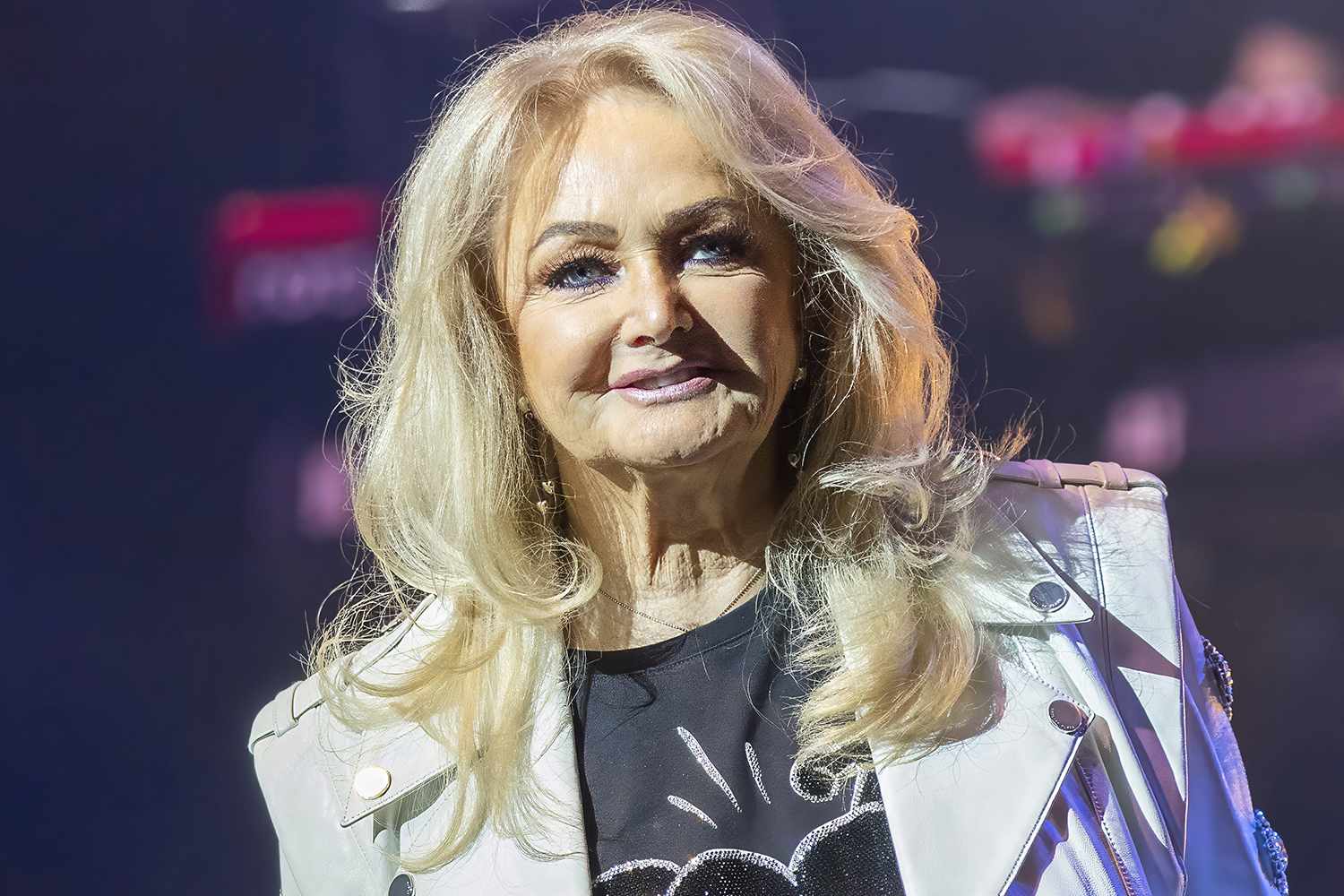
In 2013, she told the Guardian: “I class myself as a working-class girl and I’ve never stopped working.” That line sticks. Not because it sounds noble. Because it sounds true.
A fan I spoke with for this piece put it more plainly: “She sounded like somebody who’d lived a bit. That’s why the songs hit.”
Simple as that.
The rise before the anthem
Her first single flopped.
Her second did not.
“Lost in France” cracked the UK Top 10, and “More Than a Lover” followed as a moderate hit. Then came a turning point. After surgery on nodules on her vocal cords, Tyler said her voice became “huskier than before” and gained more edge.
That edge became her calling card.
“It’s a Heartache” arrived with the right amount of ache and grit. It gave her her first US success, reaching No. 3 there and No. 4 in the UK. The song still sounds slightly bruised in the best way. That’s not an accident.
Why her voice worked so well
Tyler wasn’t boxed into one lane.
She could shift from country-tinged ballads to disco-pop without sounding fake.
Her 1979 track “(The World Is Full of) Married Men” showed that range early. Then she moved toward rock, and she knew exactly who she wanted beside her: Jim Steinman.
That was a smart move. Maybe even the smart move.
Steinman had already helped shape Meat Loaf’s Bat Out of Hell, and Tyler wanted that same sweep and size. She got it.
| Song / Album | Year | Chart result | Main feature | Rating |
|---|---|---|---|---|
| “It’s a Heartache” | 1977 | No. 3 US, No. 4 UK | Breakout hit, husky vocal edge | 9/10 |
| “Total Eclipse of the Heart” | 1983 | No. 1 US, No. 1 UK | Epic power ballad, career-defining | 10/10 |
| “Holding Out for a Hero” | 1984 | No. 2 UK | High-drama anthem, Footloose connection | 9/10 |
| Faster Than the Speed of Night | 1983 | UK No. 1 album | Steinman-led rock-pop scale | 9/10 |
| Bitterblue | 1991 | No. 1 in several European countries | Strong continental success | 8/10 |
The Steinman years changed everything
“Total Eclipse of the Heart” and Faster Than the Speed of Night made Tyler a bigger, bolder artist.
The album topped the UK chart.
She also explained that some people thought the song was about a vampire, but she disagreed. Steinman had once discussed Nosferatu as inspiration, she said, yet she still saw it as a love song. That tension probably helped the track. It felt strange, but not empty.
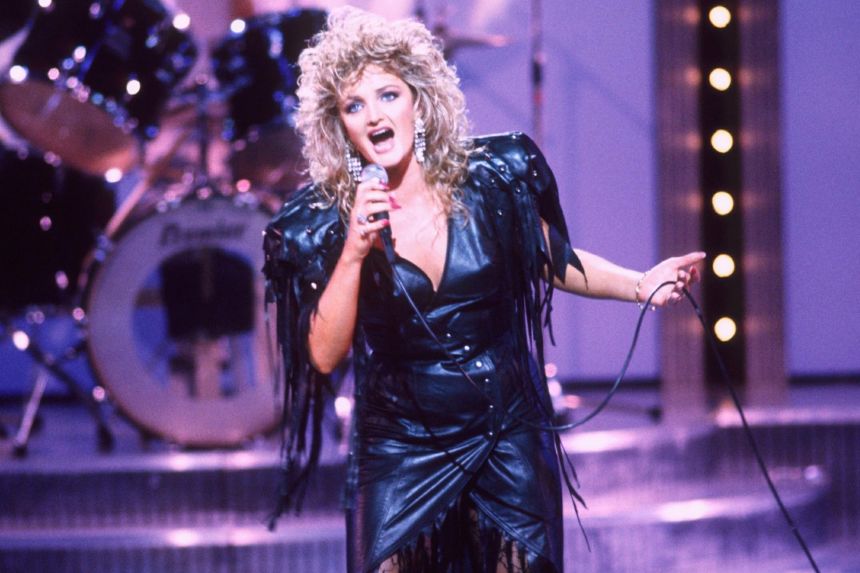
Then came “Holding Out for a Hero,” which brought a different kind of drama. More strut. More voltage. Less heartbreak, more swagger. It reached No. 2 in the UK and found another life on the Footloose soundtrack.
Which brings up something I probably should have mentioned earlier—Tyler was never only about sadness. She could sound fierce, too.
The long road after the peak
Her commercial peak in the US and UK faded later on.
But she stayed relevant across Europe.
The 1991 album Bitterblue did well in multiple countries. A 2003 bilingual re-recording of “Total Eclipse of the Heart” with French singer Kareen Antonn spent 10 weeks at No. 1 in France. That’s not a small footnote. That’s a second wind.
And she kept going. Her 2013 Eurovision entry, “Believe in Me,” placed 19th out of 26. Not dazzling. But Tyler handled it with grace, saying she enjoyed the experience and had done the best she could.
That feels like her, too. No fake outrage. No drama queen routine offstage.
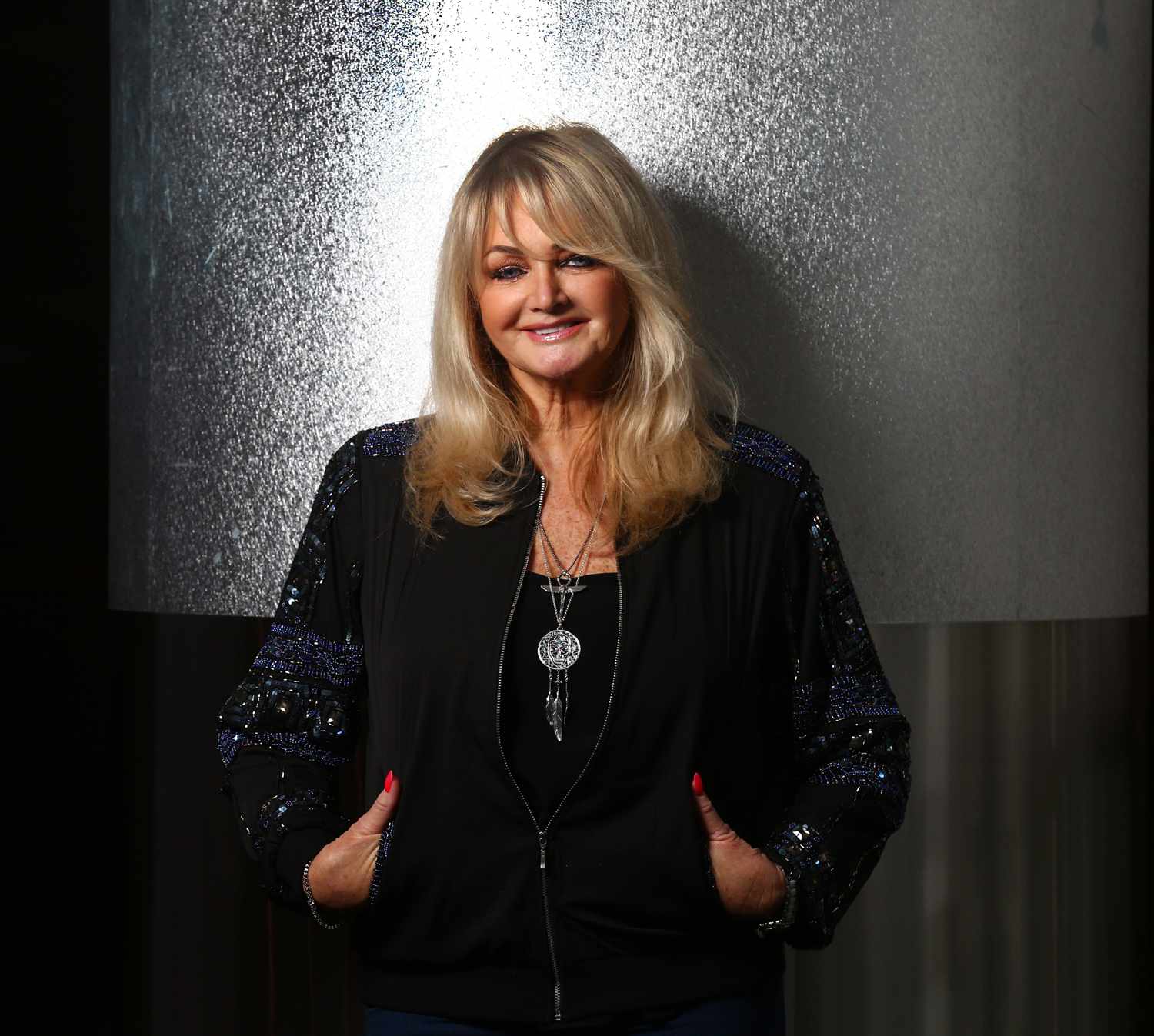
She also returned with Rocks and Honey in 2013, Between the Earth and the Stars later on, and The Best Is Yet to Come in 2021. Even in her later years, she kept revisiting old material and testing new versions. In 2025, she collaborated with David Guetta and Hypaton on “Together,” which reworked the spirit of “Total Eclipse of the Heart” for a new generation.
That is a strange and lovely thing about pop: a song can outlive the decade that made it.
Personal life, private grief, and work that never stopped
Tyler married property developer Robert Sullivan in 1973.
They had no children. She later spoke about a miscarriage when she was 39.
She told the Guardian that she had plenty of family around her anyway, including godchildren, nieces, and nephews. That’s a very human answer. Not glossy. Just real.
In May, Tyler underwent emergency intestinal surgery near Faro in Portugal, where she lived. She was later placed into an induced coma before being taken out of it, though a representative said she remained “very unwell and in intensive care.”
That last part is hard to read now. It makes the news feel close, not abstract.
Why Bonnie Tyler mattered
Bonnie Tyler’s death at 75 closes a remarkable chapter in pop.
But the records stay put.
She gave us songs that didn’t just chart. They lingered. They became karaoke fixtures, radio staples, road-trip shouts, and breakup anthems. She made vulnerability sound huge. She made grit sound melodic.
And that voice—dusty, raw, unmistakable—never felt like a gimmick. It felt like a life.
That’s why people will keep returning to her music. Not because it was perfect. Because it wasn’t. It had cracks. It had weather. It had heart.
And for a singer like Bonnie Tyler, that was the whole point.
